Artistic Insights 2024: Capitalizing on Trends in Creativity, Trust, and Data-Driven Arts Education
How the creative economy is evolving: the size of the creator economy, declining institutional trust, the evidence on arts education outcomes, and the growing role of data in creative fields.


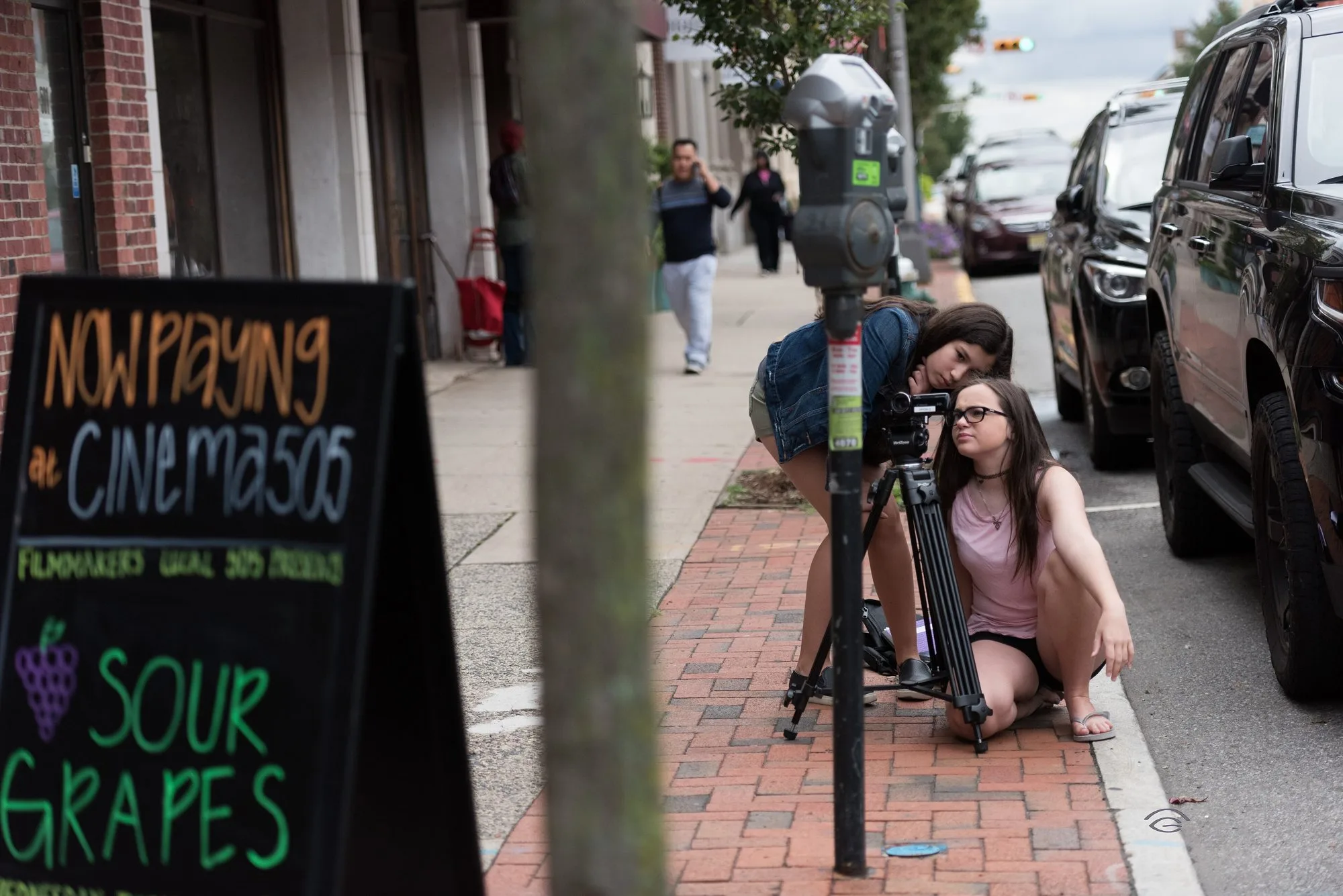
Photo: Tim Arterbury / CC0 / Wikimedia Commons
The creative economy is a measurable part of economic output. It generates GDP, supports jobs, and increasingly intersects with technology and data in ways that were not possible a decade ago.
Several converging trends are reshaping how creative work is produced, distributed, and paid for. This article summarizes what the data shows and what it means for people working in and around creative fields.
The Scale of the Creator Economy
According to research by Oxford Economics, commissioned by YouTube, the platform’s creative ecosystem contributed more than $35 billion to U.S. GDP in 2022, and later updates put the figure at about $45 billion for 2023 and $55 billion for 2024. Those figures include payments to creators, production spending, and related activity among businesses that serve creators. YouTube separately reports paying more than $70 billion to creators, artists, and media companies between 2021 and 2023. Because the research was commissioned by the platform, it is best read as an industry estimate rather than an independent audit.
The creator economy more broadly, including YouTube, TikTok, Instagram, Substack, Patreon, and Twitch, is estimated to include 50 million or more creators globally, with a much smaller share earning their primary income from content.
For a growing number of people, creative work functions as a primary occupation, with its own career paths, income tiers, and business models. Income is also highly concentrated, with a small share of creators earning most of the revenue.
Declining Institutional Trust and Its Effects
Gallup’s long-running confidence survey shows that Americans’ confidence in many major institutions, including newspapers, television news, Congress, and higher education, has declined over several decades.
That trend has implications for the creative sector.
As confidence in institutional sources declines, individual creators have gained audiences in areas traditionally served by institutions: explainers on navigating health insurance, newsletters covering local government, and tutorials teaching practical skills.
Research on audience trust suggests creators who build durable audiences tend to:
- Disclose their perspective and any potential conflicts of interest
- Build a track record of accuracy and correct their mistakes
- Develop specialized expertise that broad-audience outlets do not cover
The same dynamics carry risk. Audiences that place trust in individual voices can also be exposed to inaccurate information, which is why media literacy and source evaluation have become growing areas of study.
For analysts, audience retention and return rates are generally more meaningful indicators than follower counts, which can be inflated.
Arts Education Outcomes: What the Data Actually Shows
Arts education programs in U.S. schools have faced budget pressure for decades, and research from the National Center for Education Statistics shows that access to arts instruction varies by school poverty level.
The research on outcomes is more nuanced than either side of the funding debate typically presents:
The skills evidence
Studies from the National Endowment for the Arts and independent researchers have found correlations between arts participation and:
- Higher graduation rates, including in analyses that control for socioeconomic factors
- Performance in some academic areas, with the strongest evidence for links between music training and certain cognitive skills
- Communication and collaboration skills, which employers frequently list as priorities
The correlation versus causation question is significant: students with more stable home environments are more likely both to participate in arts programs and to graduate. Randomized studies are rare, and results from them are more modest than correlational studies suggest. A 2019 randomized study of Houston’s Arts Access Initiative, for example, found improvements in writing, engagement, and disciplinary outcomes, but no significant effects on math or reading test scores.
The equity evidence
Several studies, including NEA-funded longitudinal research, find that associations between arts participation and positive outcomes are especially pronounced among students from lower-income families.
One interpretation is that school programs provide structured creative practice that higher-income students often access through private lessons and summer programs. The causal size of that effect is still debated.
Data-Driven Decision Making in Creative Fields
Organizations across the creative economy now use data in decisions that were previously made mainly on intuition:

Music labels use streaming data, playlist inclusion, and audience demographics to allocate A&R and marketing spending, and to time releases.
Film and TV studios use viewership data, completion rates, and rewatch patterns to inform acquisition and production choices. Netflix is the most widely documented example.
Museums and cultural institutions use visitor analytics to inform exhibit design, visitor flow, and programming.
Individual creators on YouTube and TikTok have access to retention graphs, audience segmentation, and A/B testing tools comparable to those used by corporate marketing teams.
Creative judgment is increasingly paired with quantitative evidence. Industry observers note that the two work best as complements, since audience data measures past behavior and cannot fully predict response to new work.
Opportunities in 2024
Several opportunities follow from these trends:
1. Specialized expertise As audiences fragment, deep expertise in a specific domain with a verifiable track record can attract loyal audiences.
2. Evidence-based arts education advocacy Organizations seeking arts education funding have more research to draw on than in the past, particularly on equity outcomes and skills development, along with clearer understanding of its limitations.
3. Hybrid creative and analytical roles Fields such as content strategy, media analytics, and creative operations increasingly look for people who understand both creative production and data interpretation.
4. Owned audience channels For creators, mailing lists, community platforms, and direct commerce reduce dependence on any single platform’s algorithm.
The creative economy is larger, more data-driven, and more structurally complex than it was a decade ago. Understanding its mechanics is increasingly useful for anyone working within it.
Comments?
React, share it, or leave a comment below.
Write your thoughts?
No comments yet. Start the conversation.
Existing comments couldn't be loaded right now. You can still post one.