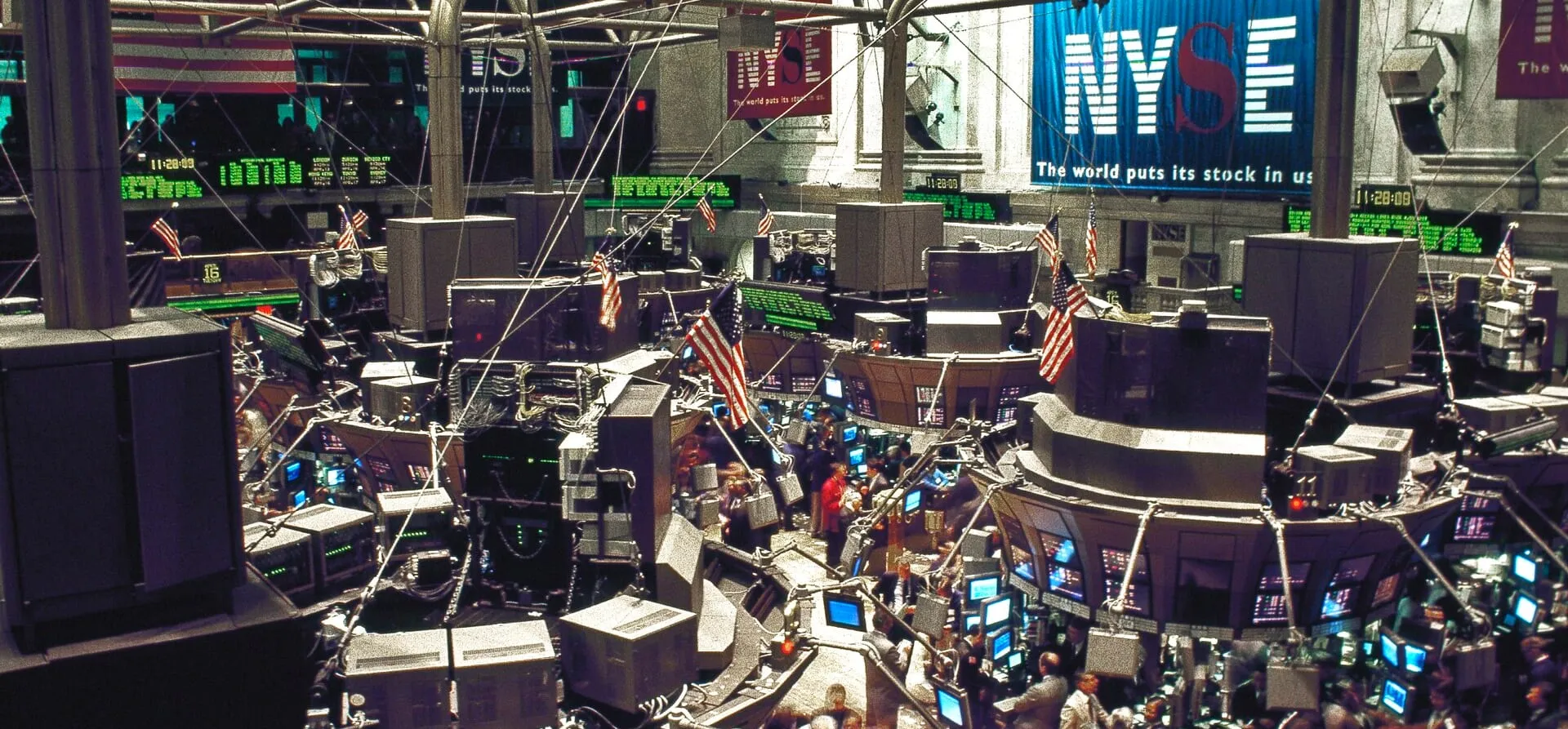
Donalds vs. Jolly: A Side-by-Side Look at Florida's Governor's Race
Florida's 2026 governor's race is closer than the headlines suggest. A sourced look at where Byron Donalds and David Jolly stand on property taxes, property insurance, and the state budget before November 3.
 Christopher A. Rotunno 10 min read
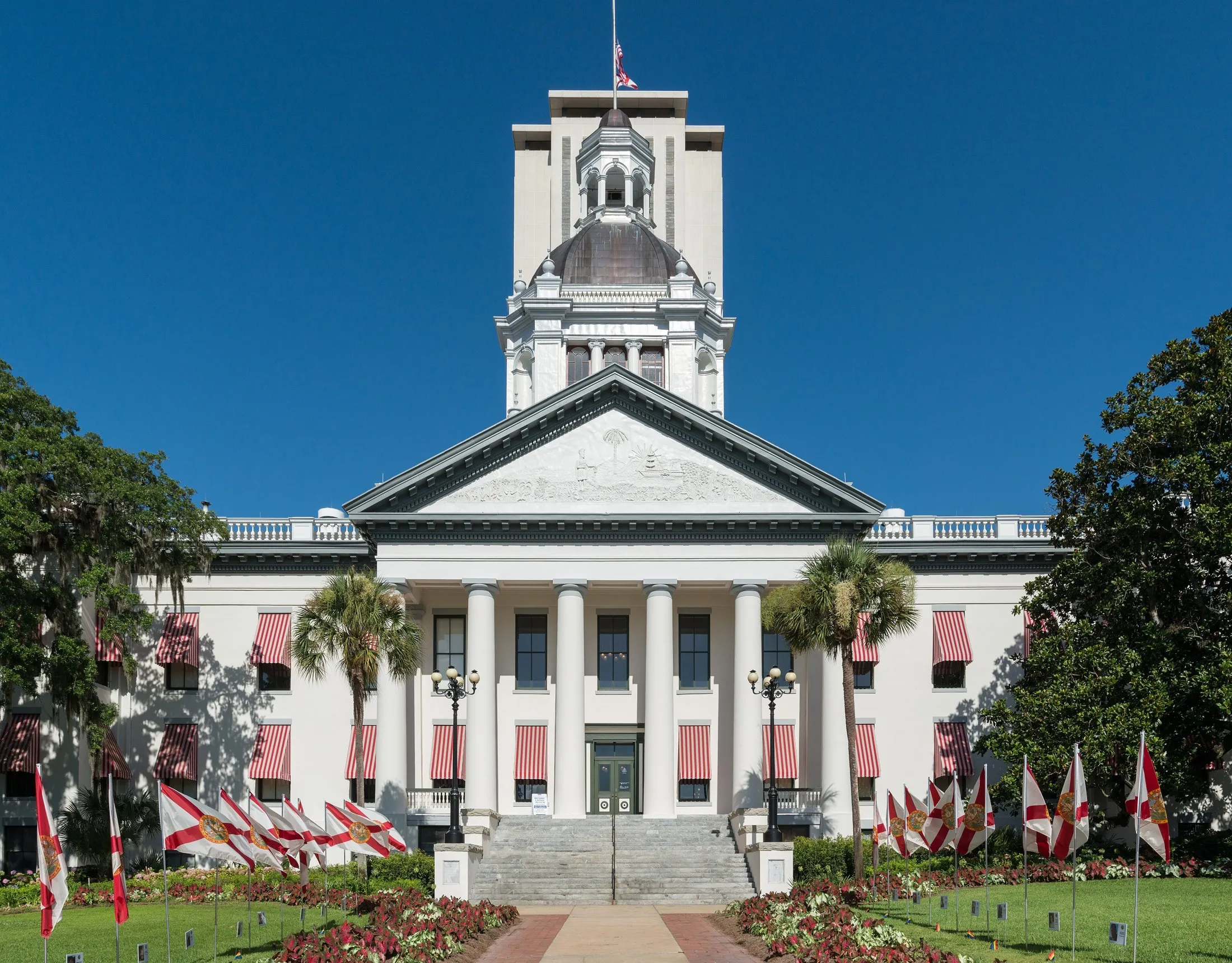
Photo: DXR / CC BY-SA 4.0 / Wikimedia Commons
INFO
Voter guide. This article compares the two major-party candidates’ positions and does not endorse either one. Facts and figures are sourced at the end.
On November 3, Floridians will vote in the state’s first open governor’s race since 2018. Ron DeSantis is term-limited. The Republican nominee is Congressman Byron Donalds, running with state Sen. Bryan Avila. The Democratic nominee is former Republican Congressman David Jolly, running with former Congresswoman Gwen Graham.
The race is closer than most people expected. Recent polls range from a 10-point Donalds lead (James Madison Institute, 52% to 42%) to a 7-point lead (NBC6/Telemundo, 48% to 41%) to a near tie (YouGov, 47% to 45%, and St. Pete Polls, 44.7% to 44.6%).
With no televised debate scheduled and most ads coming from one side, it is hard to compare the candidates directly. This guide lays out what each one is proposing on the issues Florida households feel most, property taxes and property insurance, along with the main arguments for and against each plan.
Two Candidates, Two Career Paths
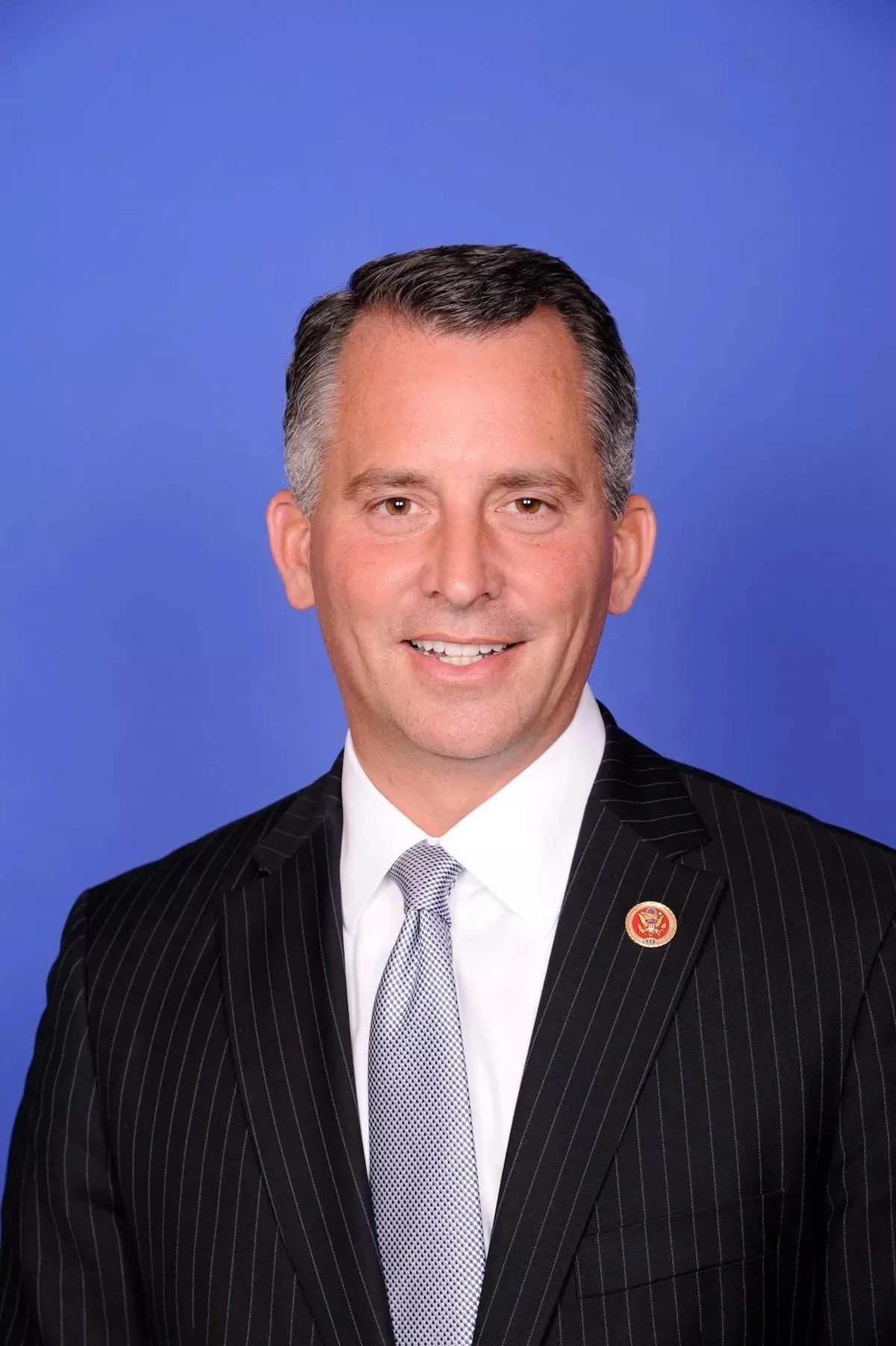
David Jolly is a fifth-generation Floridian and an attorney who represented Pinellas County in Congress as a Republican from 2014 to 2017. In Congress he was known for working across the aisle and for the STOP Act, a bill that would have barred members of Congress from personally soliciting campaign contributions. He left the Republican Party after leaving office and registered as a Democrat in 2025 to run for governor. He won the August 18 Democratic primary with about 61% of the vote.
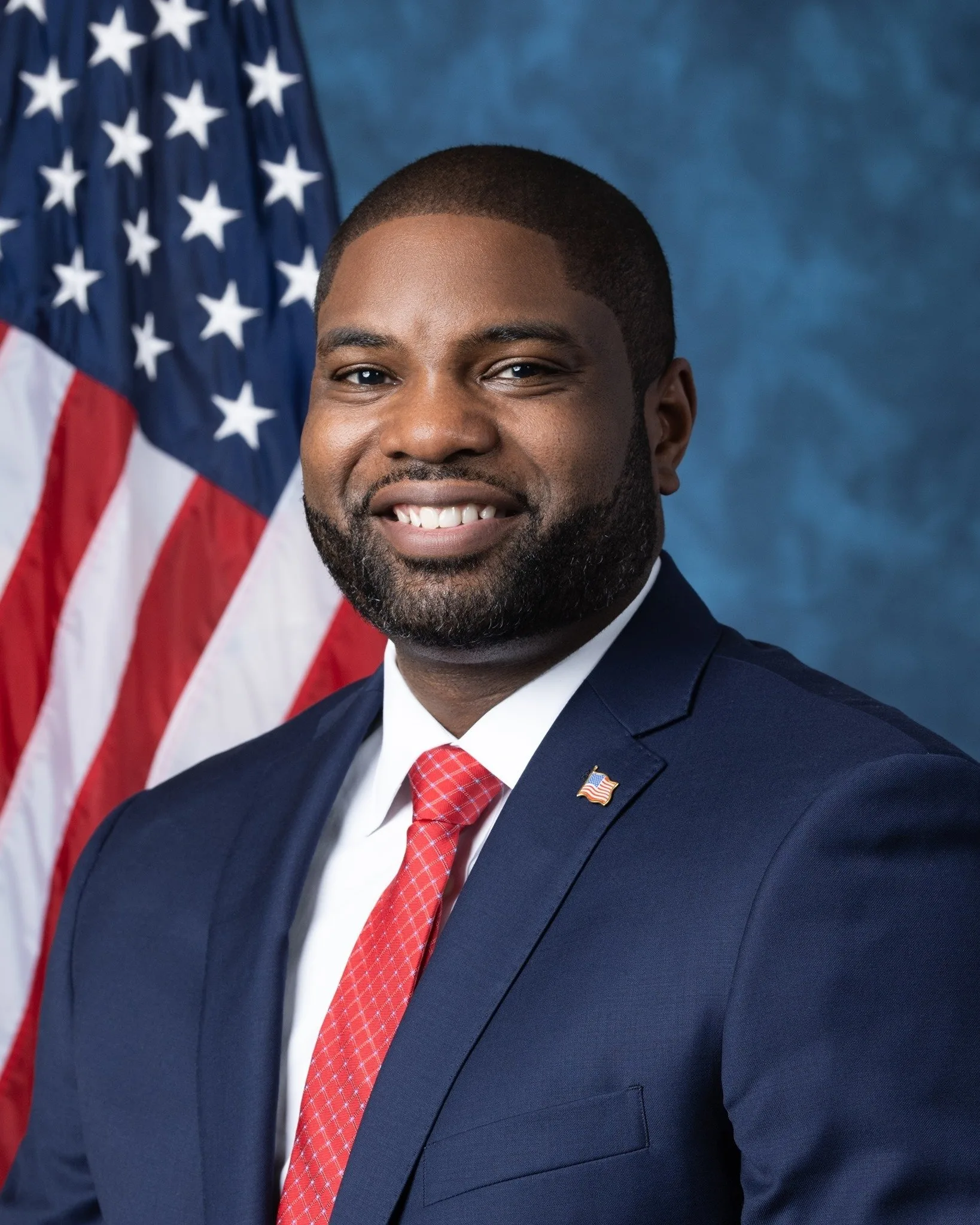
Byron Donalds has represented Southwest Florida in Congress since 2021 and won the August 18 Republican primary with about 48% of the vote. He has President Trump’s endorsement, and his campaign lists “enacting the Trump agenda” first among its priorities, alongside immigration enforcement, affordability, and repealing homestead property taxes.
The two candidates differ most on which household cost the next governor should tackle first, and how to pay for it.
What Is Not on the Table
Florida has no personal income tax, and the Florida Constitution prohibits one. No governor can create one on their own.
In September, Donalds claimed Jolly wanted to raise taxes on tips, overtime, and Social Security. PolitiFact reviewed the claim and rated it wrong, noting that Florida does not tax income at all and that a governor has no authority to impose those taxes.
Neither candidate is proposing a wealth tax or a state income tax. The main policy differences are about property taxes and property insurance.
Property Taxes: Donalds’ Central Promise
Donalds has promised to cut and ultimately eliminate homestead property taxes. He supports Amendment 3, which the Legislature placed on the ballot in June (House 75–26, Senate 30–9). It would raise the non-school homestead exemption to $150,000 in 2027 and $250,000 in 2028. It needs 60% of the vote to pass. If it fails, Donalds has said he would bring it back, and he plans to use the state’s Taxation and Budget Reform Commission, which convenes once every 20 years and meets again in 2027, to pursue full repeal.
The case for it: for homeowners, especially retirees on fixed incomes, a smaller property tax bill is real money every year, and supporters argue that homeowners should not be taxed out of homes they already own. The Legislature passed Amendment 3 by wide margins in both chambers.
The case against it: critics argue the cut has no clear replacement for the revenue it would remove.
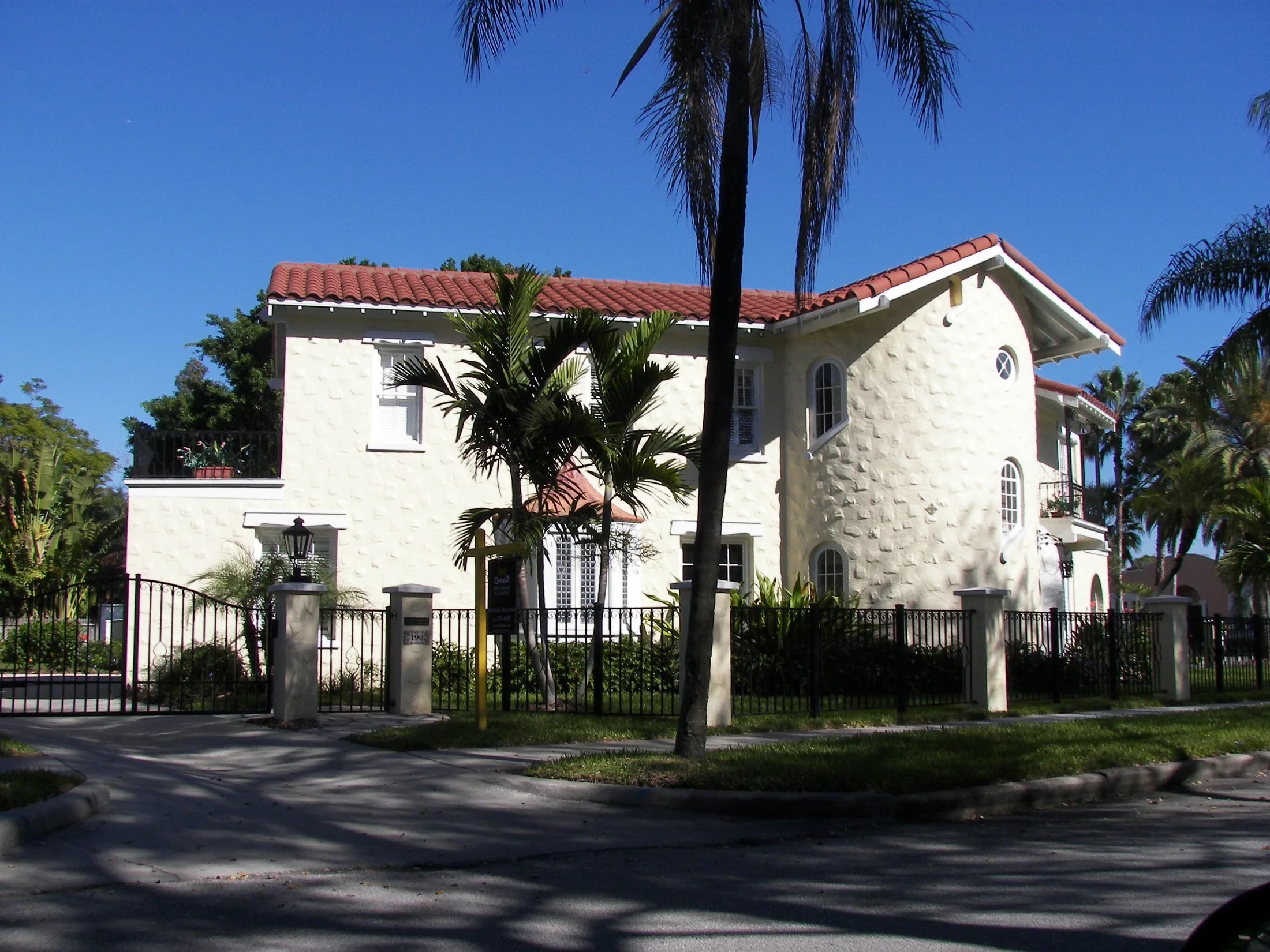
Property taxes raise roughly $55 to $60 billion a year in Florida. That money pays for sheriffs, fire rescue, roads, and, for a large share of every bill, public schools. The Florida Policy Institute, a left-leaning think tank, estimates that the $250,000 exemption alone would cost counties about $4.8 billion a year, rising to roughly $8.65 billion with full homestead elimination. Axios reported that eliminating property taxes would have cost Miami-Dade County alone $3.27 billion in a single year.
Local governments would have three broad options to make up a gap that size:
- Raise other taxes or fees, such as sales taxes
- Cut services, including law enforcement and fire rescue, which are the largest items in most county budgets
- Borrow or defer spending
Florida’s Save Our Homes cap already limits annual assessment increases on homesteaded property to 3% or inflation, whichever is lower. Homestead relief does not apply to renters, new buyers who have not yet established a homestead, or businesses. If local governments raise rates on non-homestead property to replace lost revenue, those groups, and renters through their rent, would carry more of the burden.
Jolly opposes Amendment 3. He has said he understands that “people are begging for property tax relief” and that he would respect whatever voters decide, but he will not promise to eliminate a $55 billion revenue source without a plan to replace it. Supporters of Amendment 3 counter that this leaves homeowners without the relief they are asking for.
Property Insurance: Jolly’s Central Promise
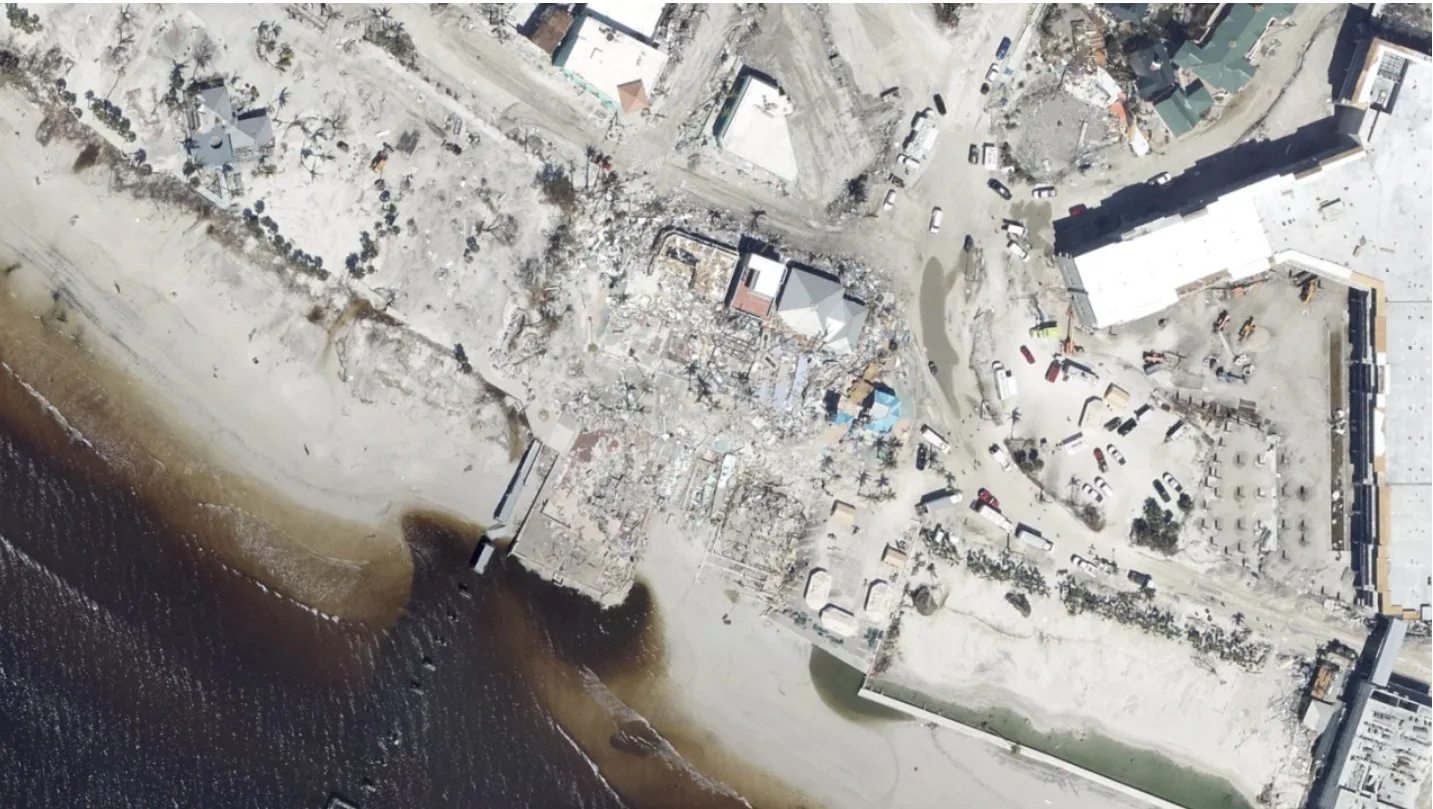
For many Florida homeowners, the biggest budget pressure since Hurricanes Ian and Idalia has been homeowners insurance. Premiums have climbed for years, insurers have left the state, and condo owners have been hit with both rising premiums and new reserve requirements.
Jolly’s central proposal is a state catastrophic insurance fund that would take hurricane and wind coverage out of private homeowners policies and cover it through a statewide pool. His campaign estimates this could cut homeowners premiums by 60% to 70%. The fund would be financed by a 5.5% tax on insurance companies, fees on real estate transactions, and existing local tourist development taxes.
Donalds has offered his own “Bring Down the Bill” package, which includes reducing a surcharge on policyholders paid into the Florida Hurricane Catastrophe Fund when the fund is strong. It is a smaller change than Jolly’s, and it does not require new taxes or a new state program.
The two plans differ mainly in scale. Jolly’s would restructure how hurricane risk is covered statewide. Donalds’ adjusts the existing system.
The “Government Takeover” Debate
Donalds calls Jolly’s plan a “government takeover” and socialism. Jolly’s campaign argues it builds on an approach Florida already uses.
Florida has used state-backed hurricane risk pools for more than 30 years:
- The Florida Hurricane Catastrophe Fund, a state-run reinsurance fund, was created in 1993 after Hurricane Andrew.
- Citizens Property Insurance Corporation, the state-created insurer of last resort, was created in 2002 under Gov. Jeb Bush.
Both have operated under Republican governors and legislatures for decades, and Donalds’ own plan works through the Catastrophe Fund. The open question is how far the state’s role should go. Jolly’s fund would move all hurricane and wind coverage into a state pool, a much larger role than either existing program plays today.
Donalds’ campaign has also run ads warning of a “$1,000 hurricane tax.” According to reporting on the ad, the study it cites did not evaluate Jolly’s fund. It examined a separate legislative proposal to expand Citizens’ wind-only coverage.
Open Questions for Each Candidate
For Donalds:
- How would local governments replace the lost revenue? Estimates of the cost to counties run from about $4.8 billion a year under Amendment 3 to roughly $8.65 billion with full homestead elimination, and the campaign has not detailed a replacement.
- Does the insurance plan go far enough? Reducing the Catastrophe Fund surcharge lowers bills modestly, but premiums remain the larger cost for many homeowners.
For Jolly:
- His insurance fund is funded partly by new taxes. A 5.5% levy on insurers is a tax, and some of it could be passed on to policyholders. He has also supported “combined reporting,” a change that would raise corporate taxes on some multistate companies.
- The 60% to 70% savings figure is his campaign’s estimate. It has not been independently scored, and any state pool must hold enough reserves and reinsurance to avoid post-storm assessments on Floridians, the same risk Citizens carries today.
No Debate, a Lopsided Money Race, and Why Your Own Research Matters
There will likely be no televised debate this year, which would make this Florida’s first governor’s race in more than 50 years without one. The two campaigns never agreed on a format: Jolly initially called for 12 debates, Donalds accepted three, and in September Jolly declined them all, saying the tone of the campaign meant debates would not produce an honest conversation.
The money behind the race matters too. Through September 18, Donalds and his political committee had raised nearly $130 million, compared with less than $16 million for Jolly, roughly 8 to 1. Donalds had about $45 million on hand to Jolly’s $4.5 million, and of the 18 billionaires who have given to the race, 17 gave to Donalds. That gap means most of the ads Floridians see between now and November 3 will come from one side.
Research suggests ad spending is not the whole story. The top spender wins most races partly because money follows candidates who already look likely to win, especially incumbents, and this is an open seat. A 2011 randomized field experiment on Rick Perry’s 2006 gubernatorial ads in Texas found that their persuasive effect largely disappeared within about a week.
Without a debate, voters lose the chance to see both candidates challenged side by side. That makes it more important to read both candidates’ plans, check claims against independent fact-checkers, and look past the ads to the numbers.
The Choice in Brief
| Byron Donalds (R) | David Jolly (D) | |
|---|---|---|
| Top priority | Enacting the Trump agenda; cutting and eventually eliminating homestead property taxes | A state catastrophic insurance fund to lower homeowners premiums |
| Amendment 3 | Supports; would bring it back if it fails | Opposes; says he would respect voters’ decision |
| Insurance | ”Bring Down the Bill”: reduce the Catastrophe Fund surcharge when the fund is strong | Move hurricane and wind coverage into a statewide pool; campaign estimates 60% to 70% premium savings |
| How it is paid for | Revenue replacement not yet detailed | 5.5% tax on insurers, real estate transaction fees, tourist development taxes |
| Main criticism | Leaves a multibillion-dollar gap in local budgets | New taxes and an unscored savings estimate |
The Miami Herald editorial board endorsed Jolly this month. Sen. Rick Scott has been campaigning for Donalds. Polls show a race within reach for either candidate.
Whatever you decide, look at the numbers, read both plans, and vote. Early voting begins before Election Day, and Amendment 3 is on the same ballot.
Sources
- Primary results and running mates: NBC News, Florida governor primary results (Aug. 18, 2026); Wikipedia, 2026 Florida gubernatorial election.
- Polling: NBC6/Telemundo poll; Florida Phoenix on St. Pete Polls; Newsweek on YouGov; The Floridian on James Madison Institute.
- Donalds’ property tax plan: WLRN, Sept. 1, 2026; Florida Politics.
- Amendment 3 and fiscal impact: Florida Policy Institute; Florida Senate, June 2, 2026; Axios Miami.
- Jolly’s insurance plan and Amendment 3 position: WLRN Economy Summit, Sept. 23, 2026; CBS Miami.
- Income tax claim fact check: PolitiFact, Sept. 11, 2026.
- Insurance plan dispute and “hurricane tax” ad: Fox 13; Florida Voice.
- Debates: WGCU, Sept. 22, 2026; Tampa Bay Times.
- Endorsement: The Floridian on the Miami Herald endorsement.
- Jolly’s debate statement: Tampa Bay Times, Sept. 20, 2026; NBC Miami.
- Fundraising: Florida Politics, “David Jolly is being outraised 8-to-1”; Florida Politics, cash on hand; Tampa Bay Times, billionaire donors, Oct. 2, 2026; Florida Politics, Jolly asks national Democrats for help.
- Money and election outcomes: Dana Gaudioso, “Fundraising Effect on Elections: Can Money Dictate Election Results?”, The Diplomatic Envoy, Seton Hall University, April 22, 2024; Alan S. Gerber, James G. Gimpel, Donald P. Green, and Daron R. Shaw, “How Large and Long-lasting Are the Persuasive Effects of Televised Campaign Ads? Results from a Randomized Field Experiment,” American Political Science Review 105, no. 1 (2011): 135–150.
Comments?
React, share it, or leave a comment below.
Write your thoughts?
No comments yet. Start the conversation.
Existing comments couldn't be loaded right now. You can still post one.