Nearly $300 Billion Went to Screens. I Work the Aisle.
Most corporate ad dollars now chase people on their phones. I approach them face to face on the floor at Home Depot. A data-backed look at digital ad spend, what it actually buys, and why in-person selling is the harder, grittier game that still works.
 Christopher A. Rotunno 9 min read
Photo: Winnebaggo / CC0 / Wikimedia Commons
Most of the money companies spend to reach customers now goes to screens: search ads, social feeds, video, and sponsored listings. It is measurable, it scales, and someone can run it from a laptop.
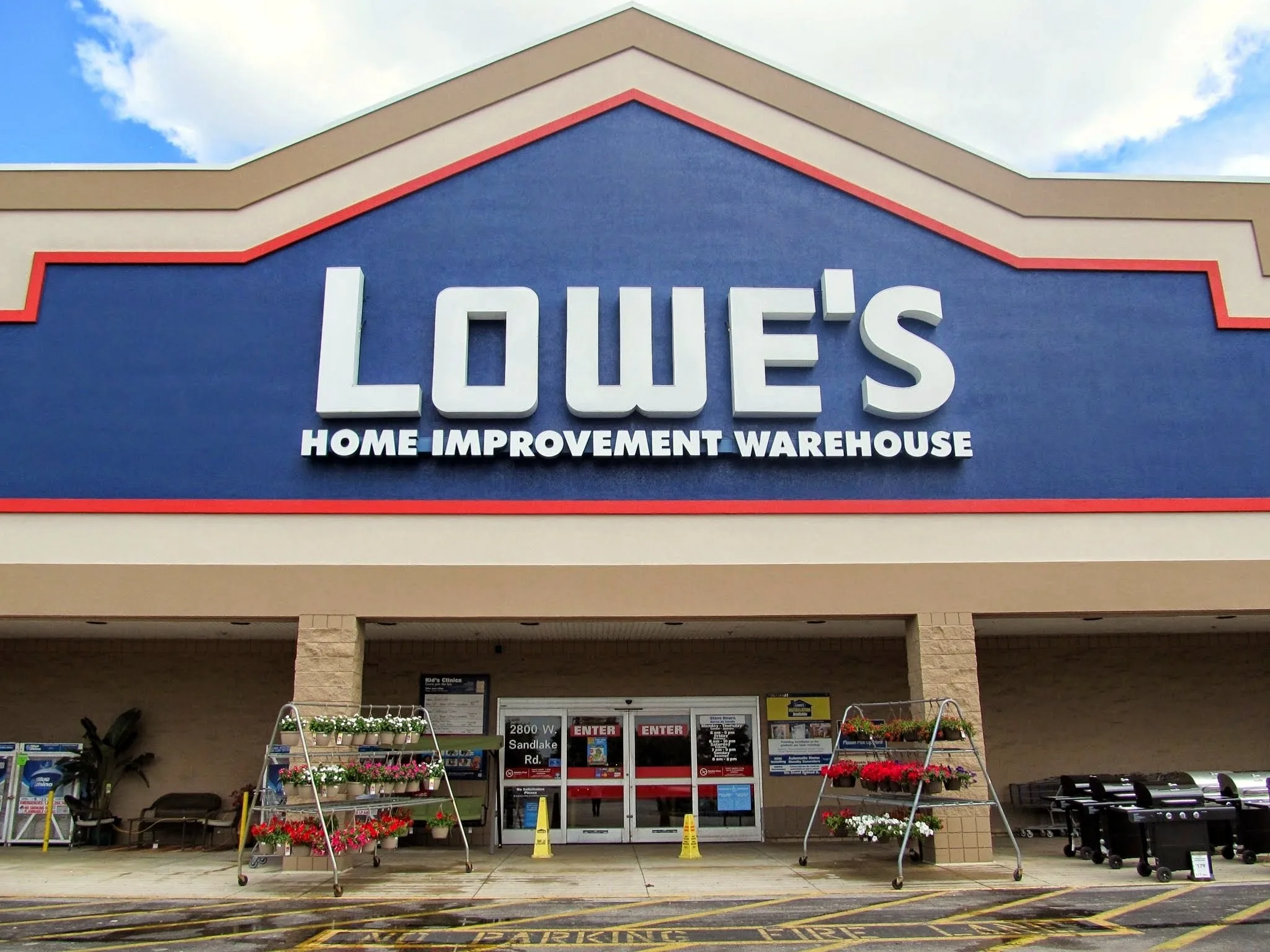
My job right now is the opposite. My company sets up in-home estimates for home services, meeting shoppers inside both Lowe’s and Home Depot stores. I work the Home Depot side, walking up to shoppers face to face, and I’m the company’s top performer in Northeast Florida across both chains. No targeting, no retargeting, no dashboard updating overnight. Just me, an aisle, and a stranger who has no reason to stop.
I’m also a data analyst, so I wanted to look at the numbers behind the screen side of the business and compare them honestly with what I see on the floor. This article covers three things: where the ad money goes and what it actually buys, why selling in person is harder work, and why that work still pays off.
Where the Money Goes
Digital is now most of the advertising market, by any measure.
- Globally, GroupM’s year-end forecast put pure-play digital at about 73% of all ad revenue in 2025, out of a market of roughly $1.1 trillion. WARC, which also counts the digital revenue of traditional media companies, puts digital at just over 81%.
- In the United States, the IAB and PwC reported $294.6 billion in internet ad revenue for 2025, up 13.9% from 2024. Social media alone took $117.7 billion, and search took $114.2 billion.

The stores my company works in are part of this too. The Home Depot, where I work, runs its own ad business, Orange Apron Media, and Lowe’s runs One Roof Media, launched in 2021. Both sell ads on their websites, apps, and in-store screens. The IAB counts this “commerce media” at $63.4 billion in the U.S. in 2025, up 18%.
So the same building I work in is also a digital ad platform. The difference is which side of the screen you’re on.
What a Screen Actually Buys
Digital ads are sold on reach, but reach isn’t attention.
- Display ads average a click-through rate of about 0.46% across industries, according to one 2025 benchmark report. Open-web programmatic display often runs closer to 0.05% to 0.08%. Either way, more than 99 out of 100 people who see the ad never click it.
- Home improvement search ads are some of the most expensive. LocaliQ and WordStream’s 2026 benchmarks put the Home & Home Improvement category at $8.33 per click and $90.92 per lead, against an all-industry average of $66.69 per lead. That makes it one of the most expensive categories to advertise in.
And a “lead” online is usually a form fill. Someone typed a phone number. There’s no conversation yet, no read on how serious they are, and no commitment to a time.
Where People Actually Buy
Here’s the part the budget numbers hide. Most shopping still doesn’t happen online.
The U.S. Census Bureau reports that e-commerce was 17.1% of total retail sales in the second quarter of 2026. The other 83% happened some other way, mostly in physical stores.
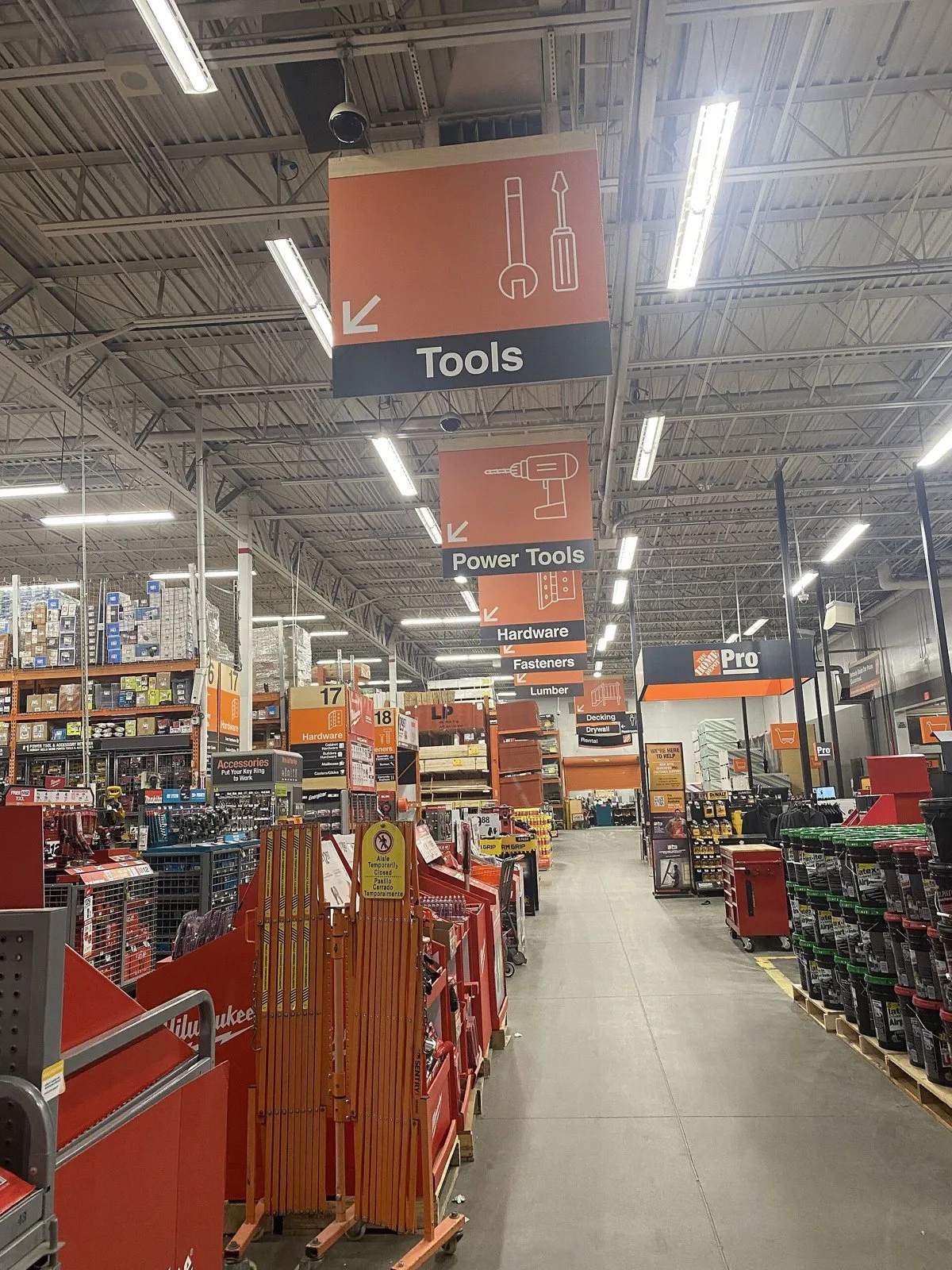
Home improvement is even more physical. The Home Depot’s own filings show online sales were 15.4% of net sales in the first nine months of fiscal 2025. Most of the business still happens inside buildings like the one I work in, where people want to see the product, ask a question, and talk to someone.
So a large share of ad money goes toward reaching people on their phones, while most of the buying happens in a store. That’s where I am.
The Harder Game
That’s the screen side. Now the floor. I don’t want to romanticize this: face-to-face selling is harder, and it’s grittier.
- There’s no targeting. An ad platform picks who sees the ad. I have to read the person in front of me in a few seconds and decide whether to approach.
- Rejection is personal. An ignored ad fails silently. On the floor, a “no” is a person looking you in the eye and walking away. Then you do it again, as many as 200 times a day.
- There’s no undo. You can’t A/B test a first impression or retarget someone who walked past. You get one chance at each person.
- It’s physical. An ad runs the same at 9 p.m. as at 9 a.m. I walk close to 20,000 steps a shift and have to bring the same energy to the last approach as the first.
A digital campaign is built so the placement does the work. You pick the audience, set the budget, and let the ad run while you sleep. That’s the appeal, and it’s a real advantage. But the work doesn’t disappear. It moves. Someone still has to call the form-fill lead and earn the trust the banner couldn’t. The hard part of selling, getting a busy stranger to commit, has just been pushed further down the line.
My job doesn’t get to push it anywhere. I do the hard part myself, first, with every person. You can cut corners on work, but you can’t avoid it. Somewhere in every sale there’s something hard, and somebody has to do it.
Recently I had a slow couple of days. Nothing was landing. I took a break, came back, and closed a $20,000 sale on my last shift. That wasn’t luck. It came from treating the next person as a fresh start instead of the eleventh “no” in a row.
”It Doesn’t Scale”
That’s the usual knock on in-person selling, and it’s half right. A campaign can reach a million people overnight. I can talk to one person at a time.
But every impression a campaign buys costs money, and when the budget runs out, so does the audience. The floor never runs out. The Home Depot rang up 1,637.2 million customer transactions in fiscal 2024, about 4.5 million a day, and that only counts people who bought something. Saturday mornings are a rush and Tuesday afternoons are a trickle, but people always come. That access isn’t free, since my company pays to be in these stores, but what it buys is a spot beside a line of people that never stops.
So my limit isn’t how many people I can reach. It’s my work ethic, my time, and how good each conversation is. A process only moves as fast as its slowest step, and on the floor, that step is me. The way to grow this work is better conversations, and more people who know how to have them.
Why It Works Anyway
So selling in person is harder work. Here’s why it’s still worth doing, and the research is on its side.
In a 2017 study in the Journal of Experimental Social Psychology, Mahdi Roghanizad and Vanessa Bohns had participants ask strangers to complete a short survey, either by email or in person, using the same wording. The in-person requests were about 34 times more effective. The participants expected the two to work about equally well. People consistently underestimate how much a face-to-face ask matters.
Trust points the same way. In Nielsen’s 2015 global survey of 30,000 people, recommendations from people they know were the most trusted form of advertising, cited by 83% of respondents. Neither study is about selling. One is about asking strangers for a small favor, and the other is about trusting people you know, and a rep in an aisle is neither. But both point the same way: a person in front of you is far more persuasive than a message on a screen, and most people underestimate that. People trust people. A banner ad can’t look you in the eye.
How I Play It
What makes me good at this isn’t a script. It’s a set of habits I hold to every shift, each one about getting more out of every person who walks by. Since September I’ve posted one a day to my team as a Tip of the Day. Here’s every one so far. Filter by category, then tap a tip to read it.
Mindset
Win the Stop
Count every stop as a win.
Shoppers are busy and owe you nothing. Getting one to stop is a win before any appointment, so rack up as many as you can. You don't get paid for the stop, but it sets up everything after it.
Mindset
Turn the Corner
The last 10 no's don't predict the next one.
Treat each guest independently. After a slow couple of days I took a break, came back, and closed a $20,000 sale on my last shift. Every corner is a new opportunity, but you have to drive yourself around it.
Mindset
Assume the Line Is Infinite
More customers are always coming.
They come at different frequencies, but they always come. Don't panic when it's slow, and don't hoard your energy when it's busy. The next customer is already on their way.
Mindset
Bouncing Back
One bad day is fine. A streak is a signal.
Everyone has off days. String several together and it's time to get training, ask for help, or rethink the fit. Resilience isn't never having a bad day. It's not letting one become a pattern.
Mindset
Day One
Smile, say hello, keep showing up.
Don't worry about being perfect. Ask people how they're doing; that's the heart of the job. You'll hear a lot of no's, and every one gets you closer to a yes. Lean on your teammates.
Mindset
Find Your Why
Know what you're working for.
Family, paying off debt, a vacation, a medical bill. Whatever it is, keep it at the front of your mind while you work. It keeps you from getting distracted and keeps your eye on the prize.
Mindset
Be 10 Second Tom
Hit reset before every new shopper.
Think of 10 Second Tom from 50 First Dates. His memory resets every few seconds, so everyone he meets gets a fresh, full-energy hello. Whether the last customer said yes or no, reset. The next shopper has completely different circumstances, intent, and taste. Do it 200 times a day, with the same energy every time.
Approach
Walk and Talk
If you can walk and talk, you can do this job.
Walk the store, get people to stop, and connect with them person to person. Aim for at least 10,000 steps a day. I get closer to 20,000.
Approach
Think Before You Speak
Don't approach the same person twice.
Before you open your mouth, remember whether you've already talked to them. I have a bad habit of walking up to the same person twice. Watch your cues first.
Approach
Smiles + Palms
Smile, and show open palms.
A smile says you're friendly. Open palms say you're not a threat, a deep cue that signals safety. I hand people a card held between my fingers, which opens my palm while I smile, so both cues land at once.
Approach
The Presentation Layer
You're the company's first impression.
We're the first step in the pipeline, and everyone after us depends on how we land. Dress business casual, stay groomed, wear a subtle scent, keep your hands clean and your smile visible. Show up enthusiastic and ready to go.
Approach
The Goat Method
A little bleat in the hello.
Draw the "hey" up from the diaphragm with a little goat sound. It sounds friendly, earns attention, and puts a smile on your face. It's only the opener. Once you have their attention, drop the goat and get serious.
“Hehehehey, how are you doing today?”
Approach
The Approach
Two questions, two emotions, then the pitch.
First, "How are you doing today?" with a big smile and lots of energy. Then the second question with a serious look, which sparks curiosity. Customer facing away? Project your voice down the aisle without startling them. Several in one aisle? Channel your voice with your hand toward the one you want.
“Have you heard what we're doing in the store?”
Approach
Raise Your Voice
Be heard over the store.
Store noise and a head buried in a product will drown you out. Speak up, use inflection, and pull attention with your tone and volume, not just your actions. I'm naturally loud. If you're not, work on it.
Approach
Appeal to All Five Senses
Hearing, touch, smell, sight, taste.
Hearing: speak up. Touch: hand them something and shake hands at the end. Smell: subtle scent, fresh breath. Sight: stand right in front of them with open gestures. Taste: you can't hand them one, so leave them with a good one. Worth their time, never pushy.
Approach
Read Your Audience
Match your voice to the person.
Contractors: firm. Older customers: firm and direct, so they hear you. Kids and dogs: playful. If someone is ambivalent, know when to move on. And don't worry about who's watching. It's good when people nearby overhear.
Process
Same-Day Scheduling
Three segments, then bring it back to today.
Three segments beat an open question. If they say "tomorrow morning," ask what they have going on the rest of today. Same-day appointments sit more often than next-day ones, and sits get you paid.
“When are you available: mornings, afternoons, or evenings?”
Process
The Name Question
Ask it exactly this way.
Asking with the pen already moving to the paper starts the process before they've agreed to anything. If you know they need what you offer, don't dance around it. Go straight to the question.
“What is your name?”
Process
Starting the Scheduling Call
Nothing hidden, nothing announced.
As they answer, dial scheduling and set the phone on the clipboard on speaker. It's never announced, just understood, so it feels natural instead of like a formal step. On hold, keep them talking about their cart or anything else, so the wait never feels like dead air.
Close
Closing
It isn't done until they sit.
After the scheduling call, don't just walk away. Square up face to face and give them as much confidence as possible going into the visit. Remind them what's included and what isn't, and close with genuine gratitude.
“I'm just very grateful for you and this opportunity.”
Close
The Confirmation Call
Miss the call, the visit doesn't happen.
Don't let them walk away thinking they're done. Make it clear a courtesy call comes about 30 minutes before arrival, and it's not spam, it's the appointment. Drive that home before you part ways.
Close
Build Credibility
They care who the company is, not who you are.
Customers want to know why your company is different from all the others that look the same. Know your track record and say it plainly. Save it for the close, but work it in earlier too.
Close
Differentiation
The answer is trust.
Every customer is quietly asking how you're different. Lead with trust: your history and your guarantees. If they're on the fence, it's the push to book. After they book, it's the confidence they carry into the visit.
Floor
Goal Setting
Aim for double.
Set your goal at about twice what you actually want, because not every appointment closes. Plan for a worst case of half. Twenty appointments a week is four a day, and the buffer gets you to your real number even on an off day.
Floor
Take the Smaller Wins
A field goal is still points on the board.
The big appointment is the main focus, but smaller sales add up to 20 to 30% of my income. They carry more than money, too: I'm more confident and a step ahead going into the next approach.
Floor
Count Your Losses and Move On
Don't argue with the unpersuadable.
If someone shuts you down before you can speak, mention what you offer, then don't belabor it. There are always more opportunities. Save your energy for the people showing interest who just need a little extra hook.
Floor
Pac-Man
Every no is a dot. Appointments are the big ones.
Move through the store turn by turn, never knowing what's around the next aisle. There are ghosts on the floor too: other reps, other services, store staff working the same territory. Stay ahead and keep racking up dots.
Floor
Take a Break
Let the store reset.
Two laps in, it's the same faces. Step away for 15 minutes, like a factory reset, and come back to a fresh batch of shoppers. If it's still the same crowd after 30 minutes, take the break.
Floor
Conserve Your Energy
It's a long eight-hour day.
Only a few people will give you real time. Stay kind to everyone, ramp up when there's interest, and take the loss when there isn't. If they mistake you for a store associate, help politely, then steer back to why you stopped them.
Discipline
Take the Feedback
Adjust when you're asked to.
You don't always know where a boundary is until you cross it. When management asks you to adjust, hear it, work with it, and make it work for everyone, even when it's a strain. How you adjust is what matters.
Discipline
Eye on the Prize
The paying customer is the driver.
Other people, politics, distractions around the store: none of it matters in the moment. Keep your focus on the customer and you'll keep moving the business forward.
Discipline
Reading the Room
Know when to dial it back.
Energy is good, but if a customer or a store employee seems uncomfortable or pushes back, that's your cue to adjust, not push harder. Stay aware of how you're landing as you go.
Discipline
Minimizing Complaints
Complaints are guaranteed. Keep them few.
Approach enough people and a few will be unhappy. You can't control it completely, but you can minimize it by reading the room and keeping your focus on the customers who want to talk to you.
Discipline
Show Up
Most of success is just being there.
Messy hair, a little late, whatever it takes. Be there every shift you're scheduled. Sick days have their place, but minimize them if you want your pay maximized. Showing up is half the battle.
Screen vs. Floor
| Digital ad | In person | |
|---|---|---|
| Reach | Bought, one impression at a time | Paid for with a spot in the store, where the people never stop |
| What limits it | Budget | The rep’s work ethic and time |
| How it grows | Spend more | Better conversations, more good reps |
| A “no” | A silent scroll | Someone walking away from you |
| What it produces | A click or a form fill | A conversation and a booked time |
What I’m Taking Away
Most ad money now goes to screens, and the numbers show why: screens are great at reach. But a screen mostly buys a glance, and most buying still happens in stores, where the people never stop coming. Turning them into something real can’t be handed off to a placement. It takes a person in the aisle, every shift, doing the part of the work that never goes away.
As an analyst, I’m used to looking at a funnel as rows in a table. Working the floor, I live inside one: people walking past, stops, conversations, booked appointments, appointments that sit. Stops come before appointments, so I can tell how a day is going long before the appointment count shows it.
Data tells you where people drop off. The floor tells you why. I get to do both.
Sources
- Global ad spend and digital share: Campaign Asia on GroupM’s year-end 2025 forecast; The ATDb summary of GroupM’s 2025 forecast; WARC global ad spend forecast.
- U.S. digital ad revenue, social, search, and commerce media: IAB, “Digital Ad Revenue Climbs to Nearly $300B,” April 2026; IAB/PwC Internet Advertising Revenue Report, Full Year 2025; MediaPost; TV Technology.
- Retail media networks: The Home Depot, “Orange Apron Media unveils new partnerships,” 2026; Marketing Brew on the Orange Apron Media rebrand, April 2024; The ATDb on Lowe’s One Roof Media.
- Display ad click-through rates: Focus Digital, Programmatic Display CTR Benchmarks 2025; AI Digital, Average CTR for Display Ads.
- Home improvement search ad costs (LocaliQ/WordStream 2026 benchmarks, April 2025 to March 2026): Mega Digital, Google Ads Benchmarks 2026.
- E-commerce share of U.S. retail sales: FRED, E-Commerce Retail Sales as a Percent of Total Sales (ECOMPCTSA); U.S. Census Bureau, Quarterly Retail E-Commerce Sales.
- The Home Depot online sales: The Home Depot, Form 10-Q for the quarter ended November 2, 2025. Customer transactions: The Home Depot, Form 10-K for fiscal 2024 (year ended February 2, 2025).
- In-person versus email requests: Roghanizad, M. M., and Bohns, V. K., “Ask in person: You’re less persuasive than you think over email,” Journal of Experimental Social Psychology, 2017; Mental Floss summary; HubSpot summary.
- Trust in advertising: Marketing Dive on Nielsen’s 2015 Global Trust in Advertising survey.
Comments?
React, share it, or leave a comment below.
Write your thoughts?
No comments yet. Start the conversation.
Existing comments couldn't be loaded right now. You can still post one.