My First Job Lasted 3 Shifts at Subway. It Still Gives My Work Meaning.
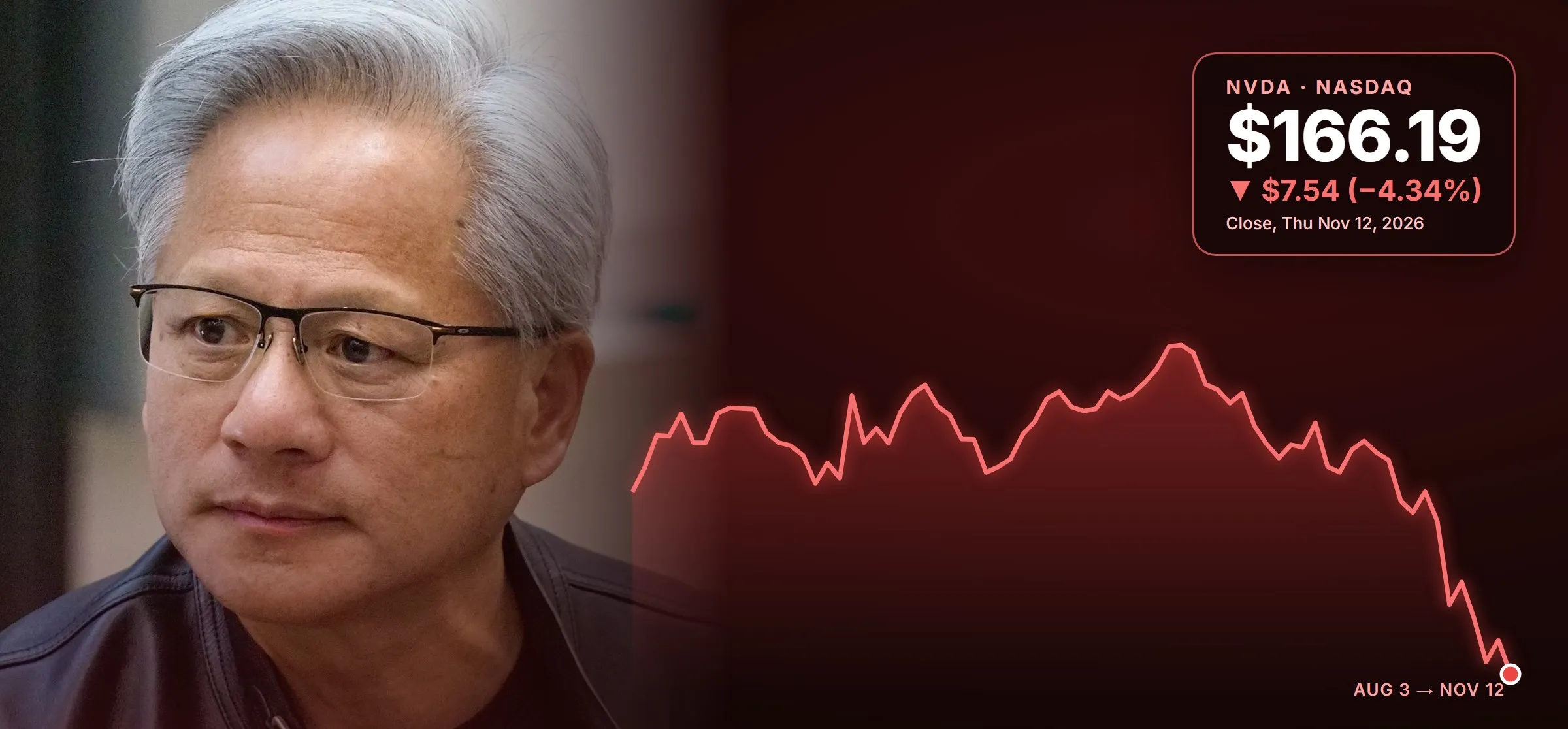
My first job, at Subway at age 17, lasted three shifts. A single closing shift with the ingredients left out ended it. The food safety behind that firing, and five lessons from it that hold in any job.
 Christopher A. Rotunno 5 min read
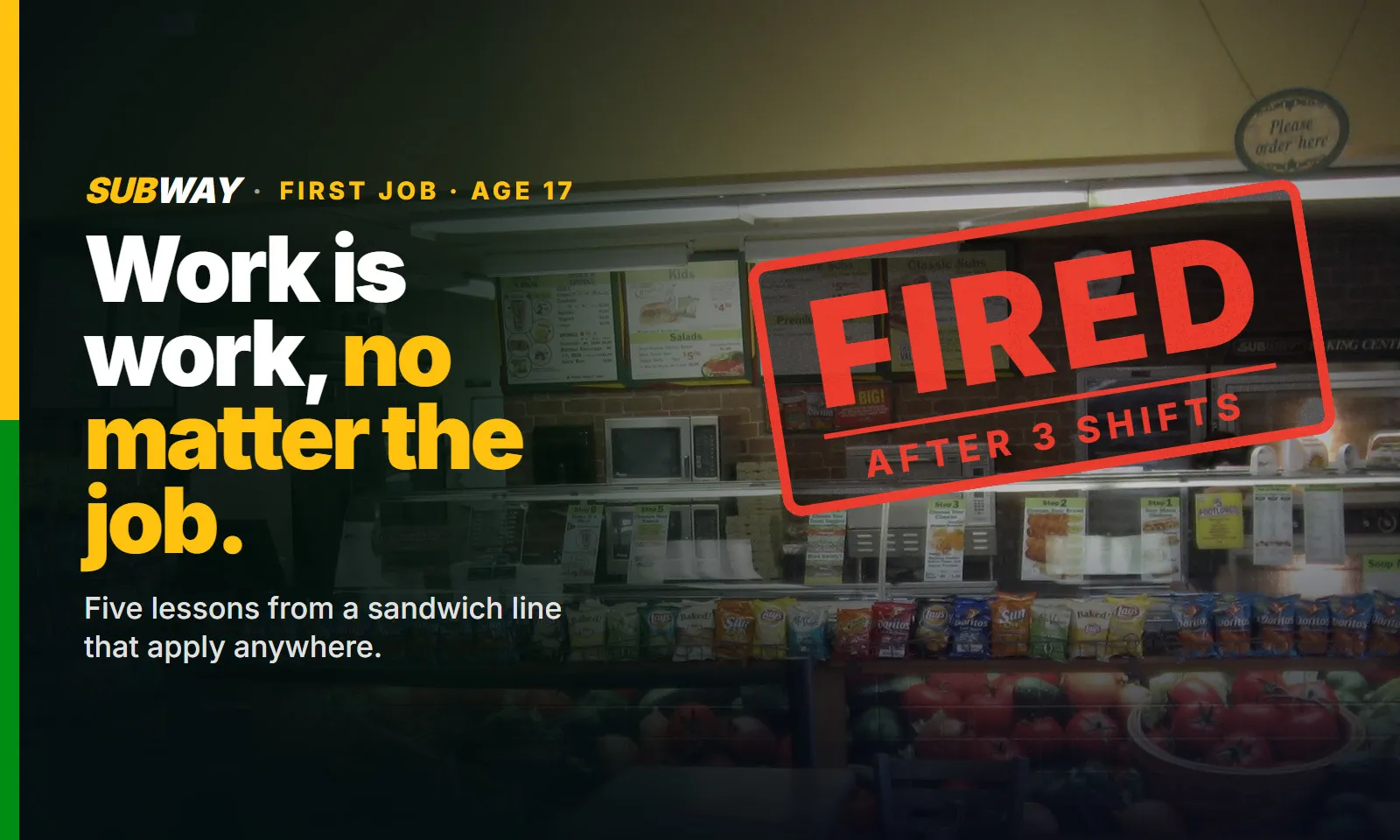
Photo: DrunkDriver / Public domain / Wikimedia Commons
My first job was at Subway. I was 17, and it lasted three shifts. After my first closing shift, I was fired for negligence: I had not put the ingredients away properly.
I was unprepared, and my effort fell short. The firing was still the most valuable thing that job produced. It taught me what work is.
The Closing Shift
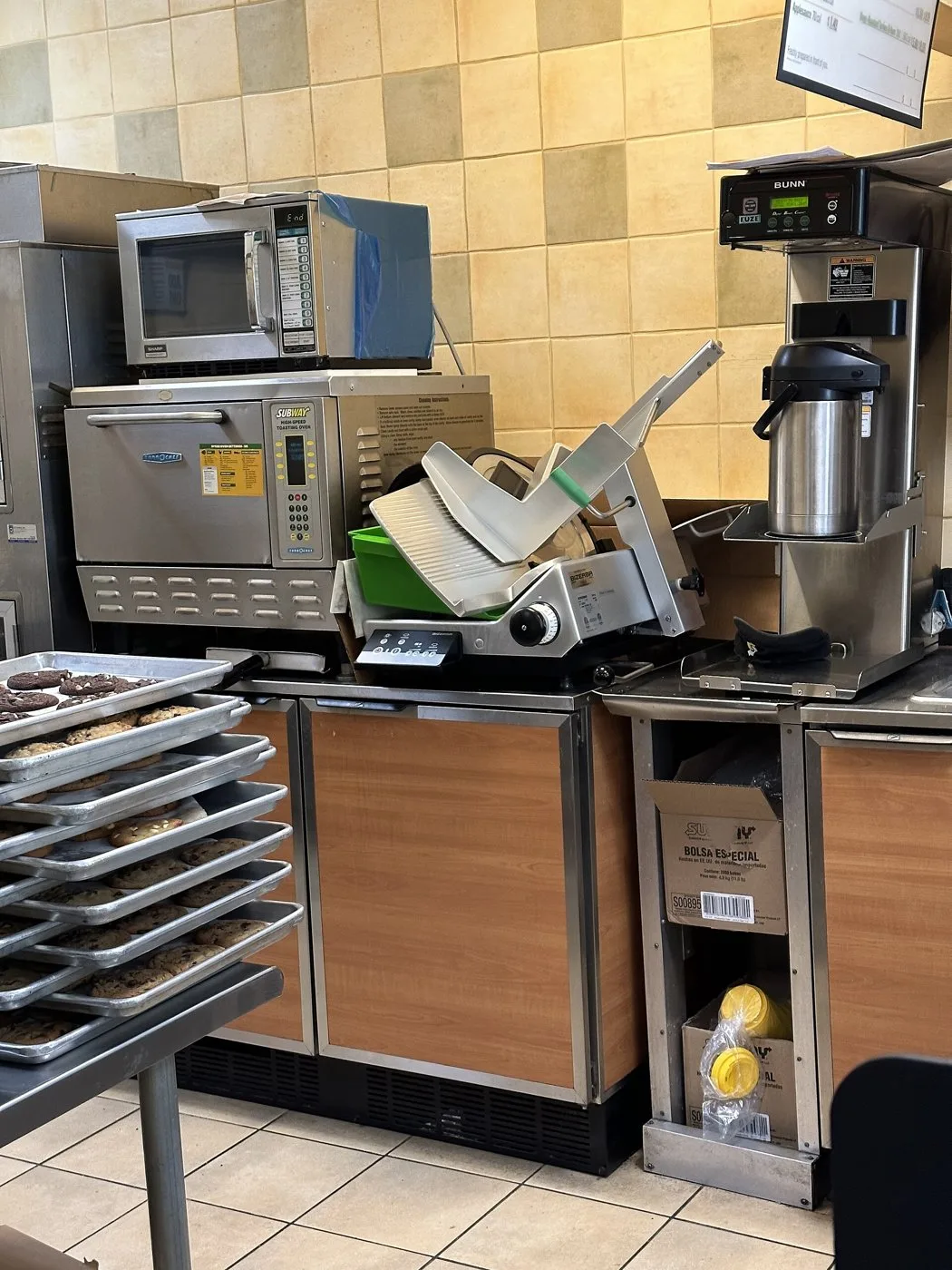
Customers see a sandwich shop at lunch. They never see the close: the line broken down; meats, cheeses, and cut vegetables covered and returned to the cooler; surfaces cleaned; cash counted; the store prepared for whoever opens. It is a checklist, unglamorous and easy to treat as the end of the shift. It is the part of the shift that protects everything else.
I could say I didn’t know better. The truth is simpler: I didn’t care. I was in school and living at home, and nothing depended on the paycheck. I took the job because I was told to get one. I brought no work ethic and no sense of responsibility to it, even after I was trusted to close the store alone.
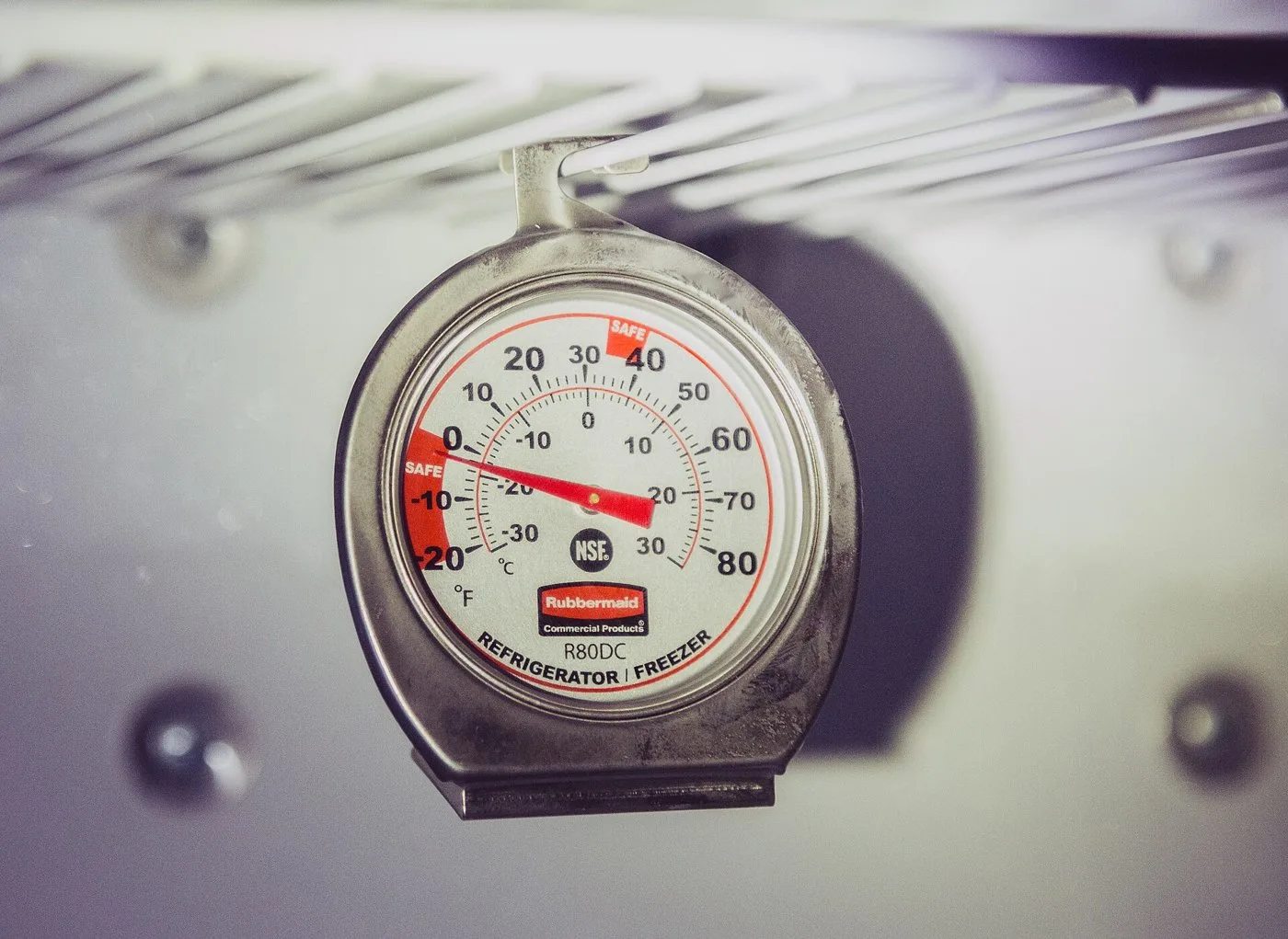
Putting food away at close keeps the store clean. More important, it keeps the food safe. The FDA Food Code requires cold food to be held at 41°F or below; above that, bacteria can double in as little as 20 minutes (USDA FSIS). Without refrigeration, food has four hours before it must be discarded. Deli meats, cheese, cut tomatoes, and cut lettuce all fall under that rule, and Listeria, linked to deli meats, can grow even in a cooler (CDC). What I left on the line that night was inventory the owner had paid for and could no longer sell, and a risk to the next customer had anyone missed it.
Firing me was the right decision.
5 Lessons That Apply to Any Job
Subway was a sandwich shop, but none of these lessons concern sandwiches. Each has held in every industry I have worked in since: restaurants, retail, financial services, and home improvement sales.
1. Every role carries a standard, regardless of title. From the customer’s side of the counter, a Subway line looks simple. It runs on temperature rules, a closing checklist, and real consequences. In every industry since, entry-level work has been held to the same standard as senior work: a server’s ticket has to match the order, a shelf price has to match the register, an accountant’s books have to balance to the penny, and a measurement for a new window has to be exact. The title doesn’t lower the standard. Do it right, every time.
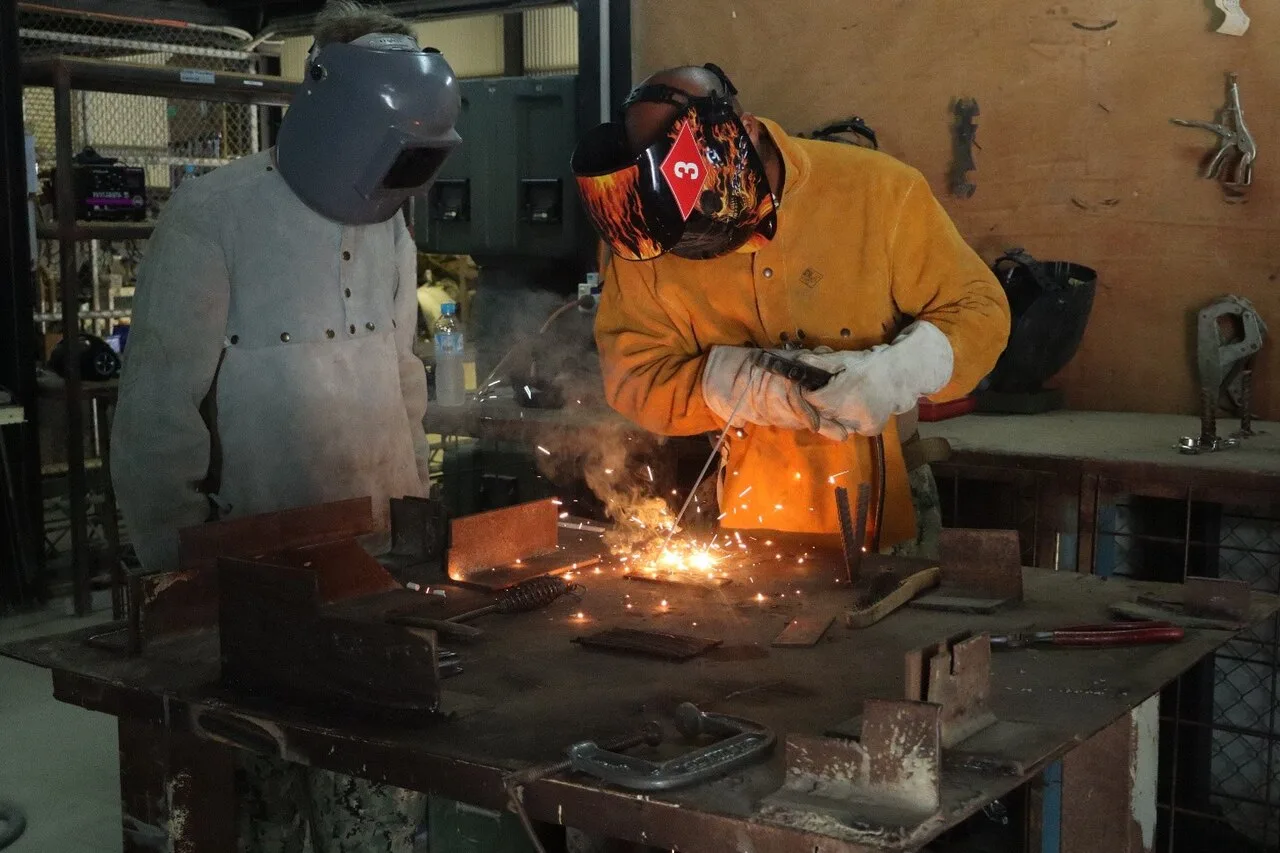
2. The unseen work is the real work. At Subway, customers watch the sandwiches being made; the close is what protects the store. In every industry since, much of the essential work has happened where no one looks: the side work after a restaurant closes, the stockroom count in retail, the audit trail on every bank transaction, the order paperwork after a home improvement sale. Customers never see that work, by design. It is also where mistakes stay hidden until they become problems. Doing a thorough job, with no one watching, is what separates someone who cares about the job from someone who doesn’t.
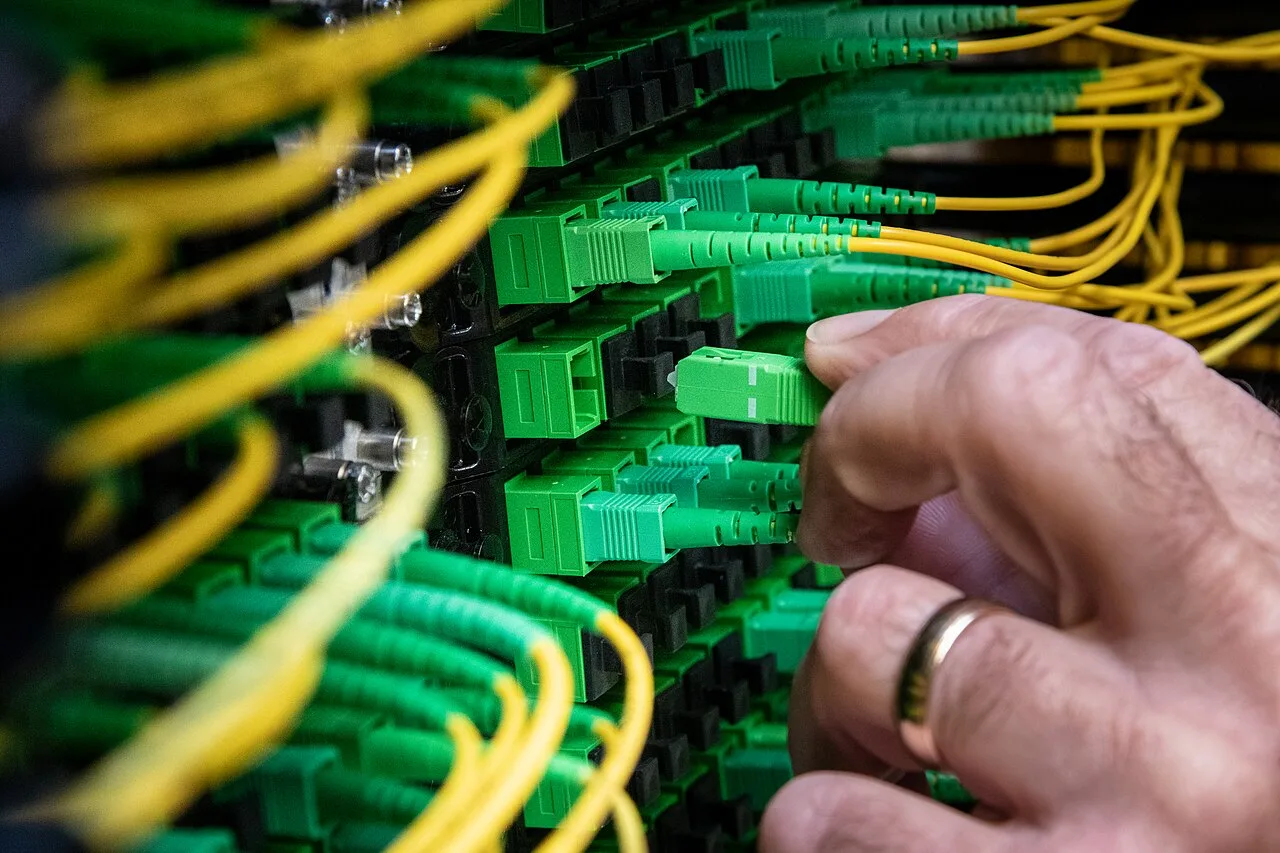
3. Someone inherits what you leave. At Subway, the opener found the line exactly as I left it. Every handoff since has worked the same way: a server takes over a section, a retail crew opens the store, a back office processes an account opened at the branch, an installer arrives with the measurements from the sale. Each of them inherits the work, right or wrong. Work is judged by the person who picks it up, not by how it felt to finish it.

4. The outcome doesn’t depend on how you feel about the job. At Subway, bacteria grew on the food I left out, regardless of how I felt about the work. In credit card processing, a payment posted to the wrong account costs the cardholder the same whether the person who posted it was careful or careless. Indifference never changes the result; it only makes a bad result more likely. Negligence requires no bad intent. If a job feels worthless to you, do it right anyway, or quit. Doing it badly is the one choice that harms someone else.
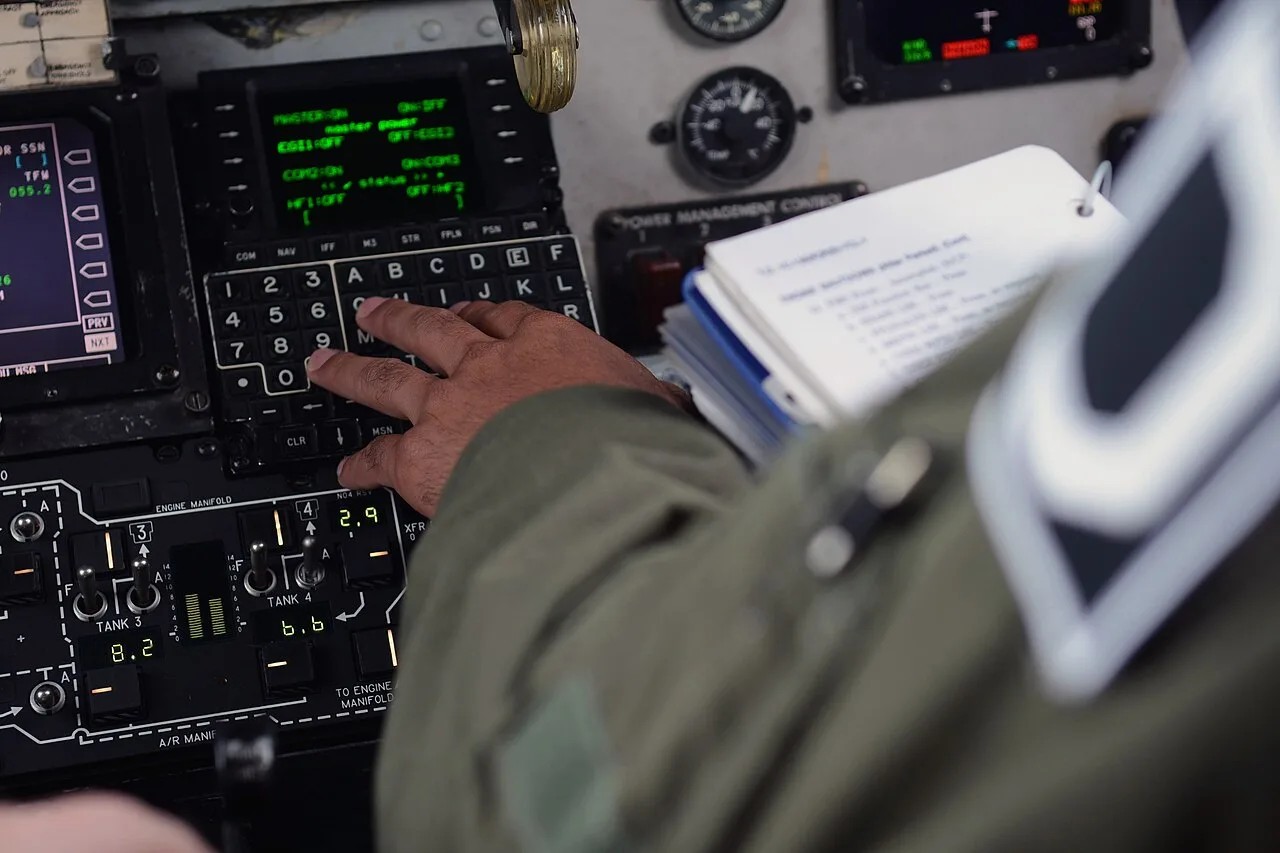
5. Trust is earned in small, early tasks. At Subway, three shifts were enough to show I couldn’t be trusted with the close. Every organization runs the same test. The store keys, the vault access, and the best appointments go to the people who handle small tasks well without supervision. Leadership is that test at a larger scale: the P&L, the financial forecasts, and the business strategy go to the people whose record has already earned them.

After Subway
The lessons did not take hold right away. For several years I moved between short jobs: selling magazines on the road, bussing and then serving at Carino’s Italian, catering and working the line at Mad Greens. Those years were exploratory. My first real commitment came in 2014, as a teller at Wells Fargo.
What Subway taught has held in every role since: the standard does not depend on the title, and someone always depends on what you leave behind.
Sources
- U.S. Department of Agriculture, Food Safety and Inspection Service, “Danger Zone” (40°F to 140°F).
- U.S. Food and Drug Administration, Food Code 2022: cold and hot holding (3-501.16), date marking (3-501.17), and time as a public health control (3-501.19).
- Centers for Disease Control and Prevention, How Listeria Spreads: Deli Foods and Prepared Meats.
- Cover: interior of a Subway restaurant in Fairplay, Colorado, by DrunkDriver, Wikimedia Commons, public domain. Not the store where I worked.
Comments?
React, share it, or leave a comment below.
Write your thoughts?
No comments yet. Start the conversation.
Existing comments couldn't be loaded right now. You can still post one.