Artists to Fans: The Future of Live Music
How ticketing, venue ownership, dynamic pricing, and direct-to-fan models shape the economics of live music, including the Live Nation antitrust case and the Eras Tour presale.

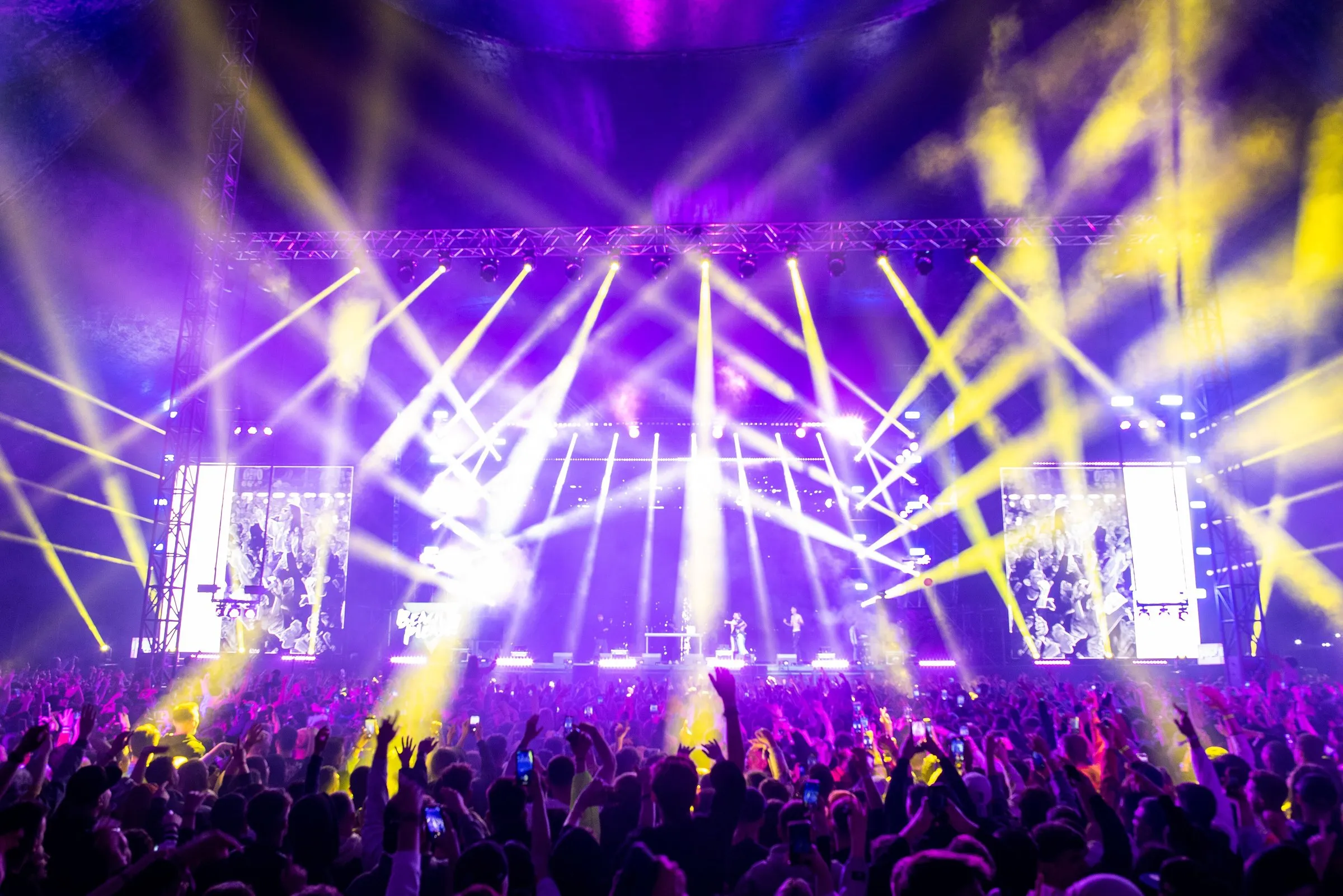
Photo: PinkBeachPlanet / CC BY-SA 4.0 / Wikimedia Commons
Live music has been affected by the internet differently than recorded music. A concert cannot be streamed in the same way a song can, and a shared live experience cannot be copied. As recorded-music revenue shifted to streaming, touring became one of the largest sources of income in the modern music business.
The path between artists and fans runs through several layers: venues, promoters, ticketing platforms, and in some cases companies that operate all three. Each layer takes a share of what fans spend. Understanding that structure helps explain both how artists earn money from touring and why ticket prices look the way they do.
The Live Nation Question
Live Nation Entertainment is the world’s largest live entertainment company. Its businesses include:
- Ticketmaster, the largest primary ticketing platform in North America
- Hundreds of venues across the U.S., including amphitheaters, arenas, and House of Blues locations
- A major concert promotion business
- Artist management through its Front Line Management subsidiary
This vertical integration is the focus of antitrust scrutiny. Critics argue that when one company promotes a tour, operates the venue, and runs the ticketing platform, competitive pressure on fees is reduced. Live Nation has argued that it faces meaningful competition from other ticketing companies such as AXS and SeatGeek, that venues and artists set many of the fees and prices, and that its integration lowers costs for artists.
In May 2024, the Department of Justice and a coalition of states filed an antitrust lawsuit alleging monopolization. Update (2026): the DOJ and several states settled with Live Nation early in the March 2026 trial, while a coalition of 33 states and the District of Columbia continued. In April 2026, a jury found Live Nation and Ticketmaster liable on the antitrust counts presented. Post-trial motions, a remedies phase, and an expected appeal mean the final outcome may take years.
What the fees can look like
An illustrative $75 face-value ticket might appear at checkout like this:
| Item | Amount |
|---|---|
| Face value | $75.00 |
| Service fee | $18.50 |
| Facility charge | $4.00 |
| Order processing fee | $3.50 |
| Total | $101.00 |
Fees are typically divided among the ticketing company, the venue, and sometimes the promoter. Fee levels vary widely by event, venue, and market. Federal and state “all-in pricing” rules introduced since 2024 now require many sellers to display the total price up front.
Dynamic Pricing and Secondary Markets
Dynamic pricing, in which ticket prices change with demand as airline and hotel prices do, has become common for major tours. Supporters argue it lets artists capture revenue that would otherwise go to resellers on the secondary market.
Critics argue it prices out fans who cannot pay peak-demand prices and can strain the relationship between artists and audiences. Artists themselves differ: some use dynamic pricing extensively, while others cap prices or opt out.
The Eras Tour presale
The November 2022 presale for Taylor Swift’s Eras Tour became one of the most widely discussed ticketing events in years.
Ticketmaster reported that about 3.5 million people registered for its Verified Fan presale and that the site received roughly 3.5 billion system requests at peak, which it attributed partly to bot traffic. The platform experienced significant outages, the general public sale was canceled, and resale prices for some seats reached thousands of dollars.
The aftermath included a U.S. Senate Judiciary Committee hearing in January 2023, at which Live Nation’s president apologized for the experience and cited bot attacks, while critics pointed to market concentration. The episode showed how difficult it is to allocate a limited supply of tickets fairly when demand far exceeds capacity, whatever the platform.
Direct-to-Fan Models
Some artists are experimenting with selling more directly to fans and reducing the number of intermediaries.
Verified Fan programs
Ticketmaster’s Verified Fan system requires fans to register in advance and be selected to access presale tickets, with the goal of prioritizing individual fans over automated resale bots. Fans and artists report mixed results, and the program does not change the fee structure itself.
Other approaches are controlled by artists:

Band and artist-owned presales
Some artists use their own email lists, fan clubs, and direct commerce platforms to sell a portion of tickets at face value. This adds operational complexity but gives the artist a direct transaction with the fan and more control over pricing.
Token-based ticketing
Several artists have experimented with NFT-based tickets, in which a digital token grants access and resales can pay a royalty back to the artist. Adoption has been limited by the complexity of the technology and the broader NFT market’s decline.
What Artists Are Actually Doing
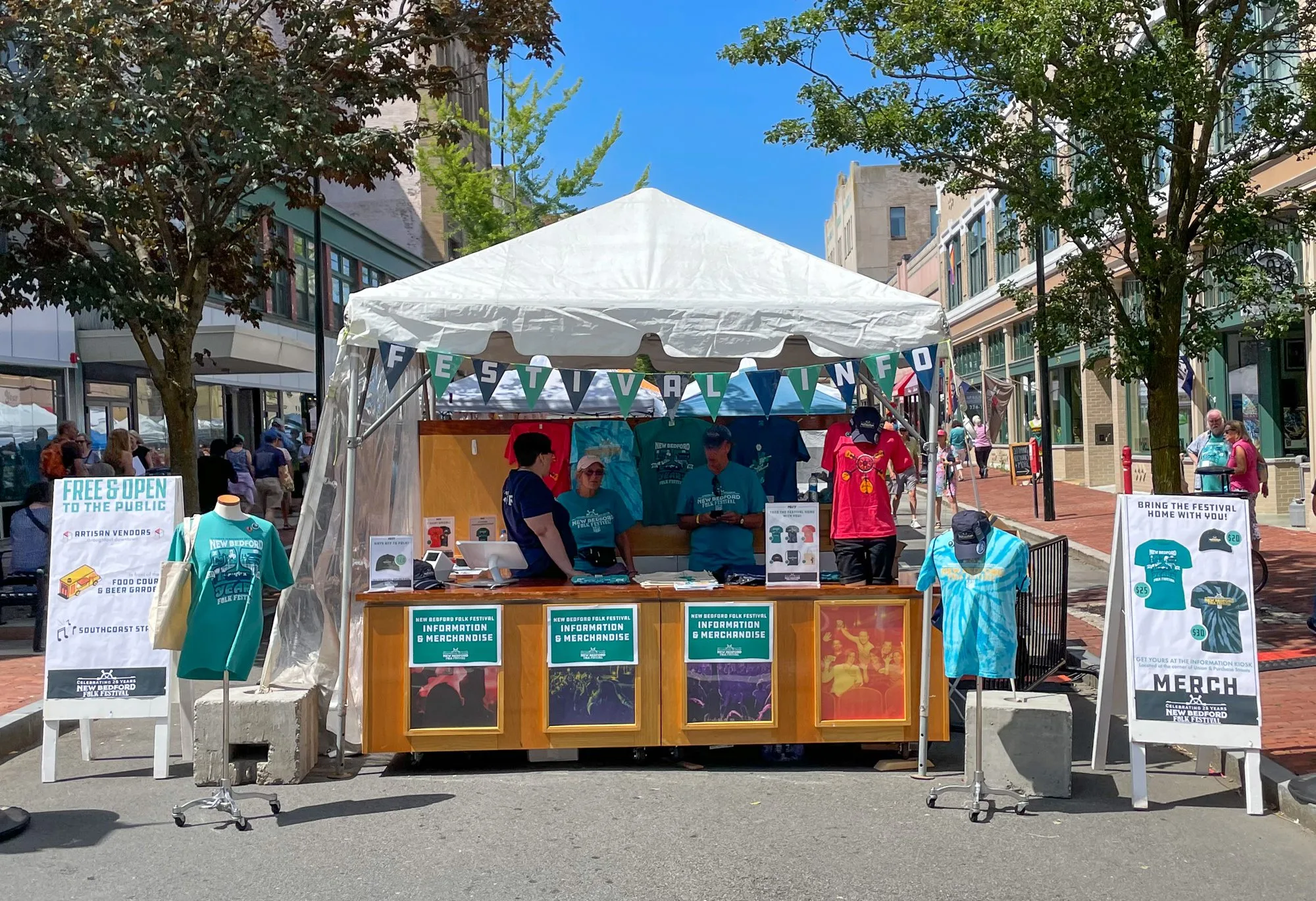
Common approaches working artists use to manage live revenue include:
1. Merchandise bundles and upgrades Offering ticket upgrades or early access alongside merchandise purchases, often administered by the artist’s own team.
2. VIP experiences Soundcheck packages, meet-and-greets, early entry, and exclusive merchandise. These are often higher-margin and directly managed.
3. Smaller venue strategies Booking smaller rooms across multiple nights rather than a single large show. This can increase total revenue when demand is strong and changes the character of the fan experience.
4. Fan club presales with real allocation Setting aside a meaningful share of tickets for official fan club members at face value.
The Bigger Picture
Two trends are developing at the same time.
The first is consolidation. Ownership of venues, promotion, and ticketing has become more concentrated over the past two decades, and the 2026 antitrust verdict means the structure of the industry may be reshaped by court-ordered remedies.
The second is lower barriers to direct relationships. Email lists, community platforms, and direct commerce tools let artists reach fans without relying entirely on intermediaries.
Artists with owned audience channels, such as mailing lists and fan communities, generally have more options when negotiating with venues, promoters, and platforms. These channels do not replace touring infrastructure, but they give artists more leverage within it.
How these two trends interact, and what remedies come out of the antitrust case, will shape the economics of live music over the next several years.
Comments?
React, share it, or leave a comment below.
Write your thoughts?
No comments yet. Start the conversation.
Existing comments couldn't be loaded right now. You can still post one.