Gas Prices Are Up 32% in a Month. Here's What the Market Data Suggests.
National average gas prices reached $3.84 a gallon, a 32% increase in one month. A normalized comparison of Brent crude and major oil producers shows what markets may be pricing in.
 Christopher A. Rotunno 3 min read
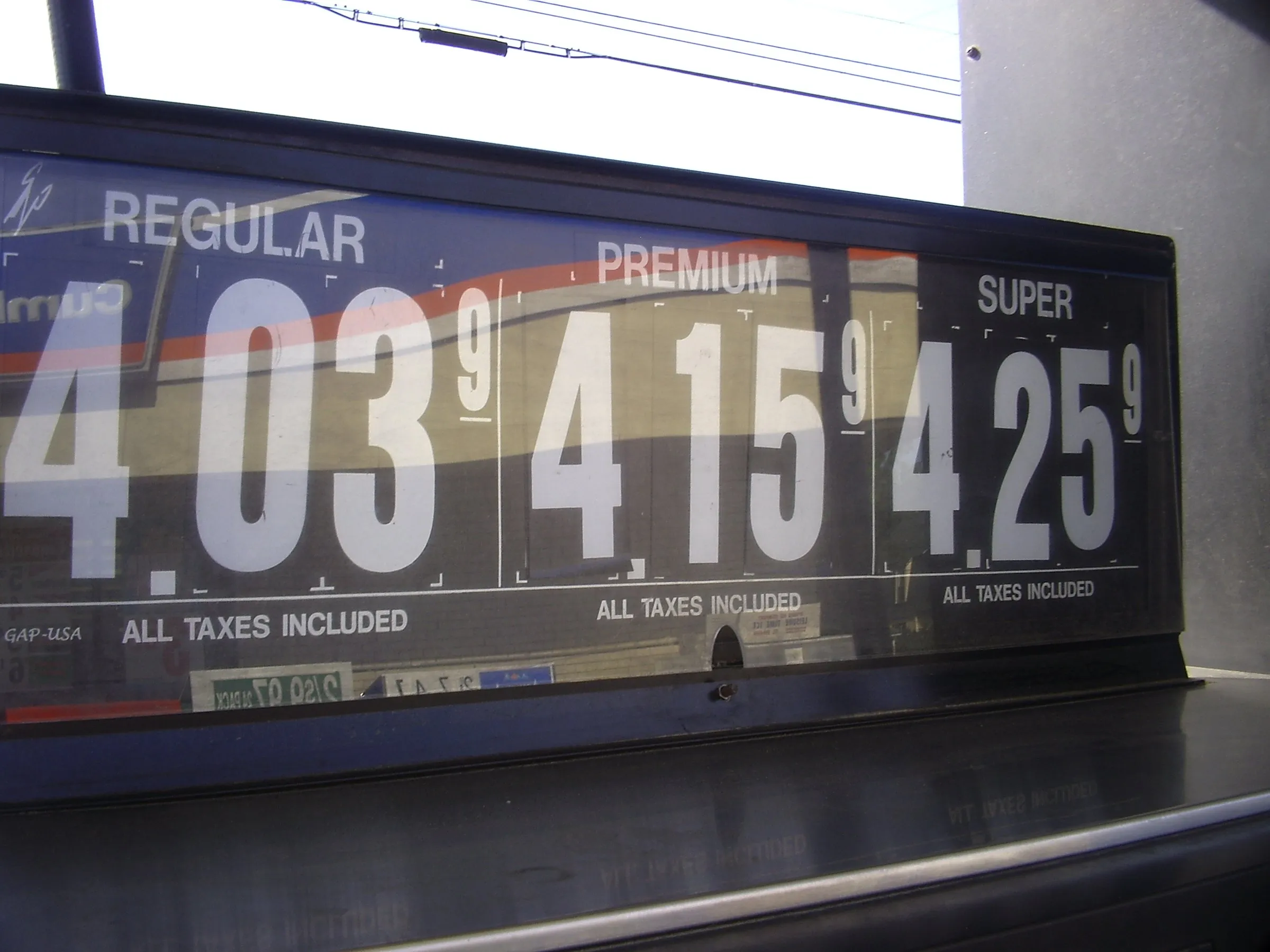
The national average for regular gasoline is approximately $3.84 per gallon, up roughly 32% over the past month. A move of that size in a single month is unusual. The immediate context is escalating geopolitical tension involving Iran, including strikes on its South Pars gas field, which Reuters described as hitting “the plumbing of the global energy system.”
Beyond what happened, market prices offer some information about what investors expect next.
Commodity vs. Equity: A Revealing Divergence
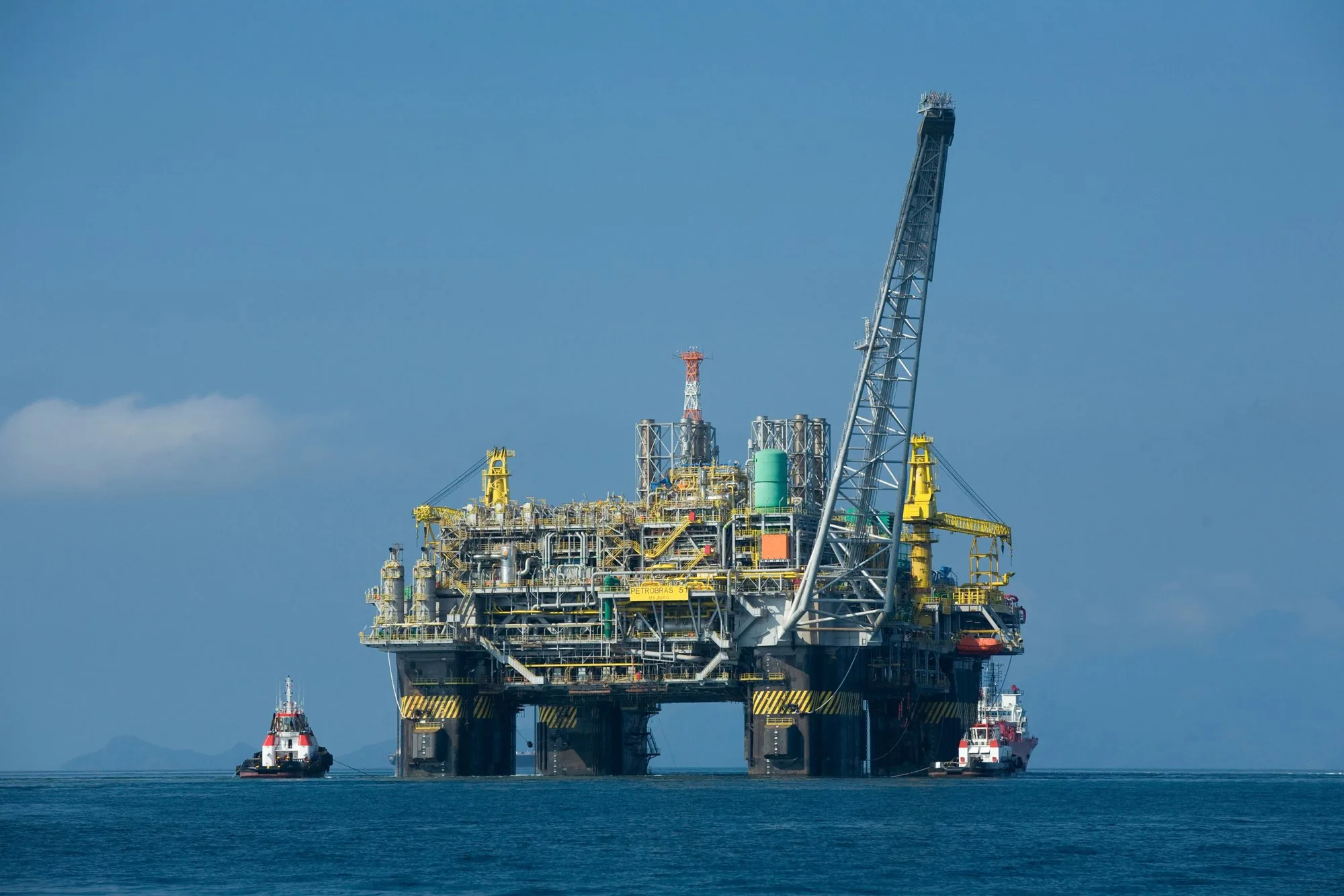
This analysis uses a normalized one-year comparison of Brent crude against the major publicly traded oil producers: Exxon Mobil, Chevron, Shell, BP, TotalEnergies, and Equinor.
Earlier in the year, oil company stocks outperformed the commodity itself, a pattern often seen when markets expect producers to benefit from rising prices through higher earnings and margins.
That relationship has recently flipped. Brent crude has climbed faster than producer equities over the past several weeks.
Analysts commonly interpret this kind of divergence as markets repricing the commodity risk itself, which can reflect concern about physical supply disruption rather than expectations of higher producer profits.
Other factors can also contribute, including refining margins, the possibility of windfall taxes, broader equity market moves, and producers’ own exposure to the affected region. The divergence is one signal to weigh, not a definitive reading.
Why This Is Different
Economists distinguish between demand-driven and supply-driven oil price increases, and the difference affects how the economy absorbs the move.
A demand-driven increase, from strong economic growth, tends to raise oil prices alongside earnings and employment, and its inflationary effects are usually easier to absorb.
A supply-driven increase, such as a disruption from geopolitical conflict, raises costs without a corresponding rise in demand. Higher oil prices then pass through:
- Gasoline: the most visible pass-through for consumers
- Diesel: a key input for freight, agriculture, and manufacturing
- Transportation and logistics costs: which feed into prices for most physical goods
- Inflation expectations: which, if they rise persistently, can influence wage and price setting
This is where the Federal Reserve’s task becomes more difficult. Fed officials have noted two pressures at once: potential weakness in consumer spending and employment, and renewed inflationary pressure from energy costs. Those point in opposite directions for monetary policy.
What “Still Working Through the System” Means
Energy shocks don’t transmit instantaneously. The refinery-to-pump lag is roughly 2–6 weeks for crude price moves to fully show up in retail gasoline. Diesel and heating oil run on similar or slightly longer timelines. Manufactured goods with petroleum inputs — plastics, chemicals, synthetic materials — can take months.
As a result, a 32% one-month move at the pump is an early reading rather than the full effect. Historically, the broader inflationary pass-through from a supply shock of this size has taken a quarter or more to appear in the data.
The commodity-versus-equity divergence is consistent with markets pricing a more persistent supply disruption rather than a brief spike, though markets can and do revise those expectations quickly.

Bottom Line
The 32% one-month increase in gas prices is the headline. Brent crude’s outperformance of oil equities adds context: it is consistent with markets repricing supply risk rather than anticipating stronger producer earnings.
If that interpretation holds, some downstream inflation effects may still be ahead. Developments around the Strait of Hormuz over the following 30 to 60 days are a key factor in whether the move proves temporary or persistent.
Comments?
React, share it, or leave a comment below.
Write your thoughts?
No comments yet. Start the conversation.
Existing comments couldn't be loaded right now. You can still post one.