The Ghostbusters Principle: Building Capability Before the Crisis
Using the premise of Ghostbusters to explain preparedness investment, the preparedness paradox, and how proactive infrastructure applies to business and data work.
 Christopher A. Rotunno 3 min read

Photo: Kidfly182 / CC BY-SA 4.0 / Wikimedia Commons
In Ghostbusters (1984), a team of scientists builds its equipment before anyone believes the threat is real. When the crisis arrives, the infrastructure already exists.
The film offers a useful frame for a common organizational problem: teams often have the skills to solve a problem but not the infrastructure to solve it quickly enough to matter. This article uses the film’s premise to explain the concept of preparedness investment and how it applies to business and data work.
What They Actually Got Right
The premise of the film is that a supernatural threat emerges, and the people best equipped to handle it are scientists who took the possibility seriously enough to build tools in advance.
They built the containment unit before there was a confirmed case. When the crisis peaked, the capability was already in place.
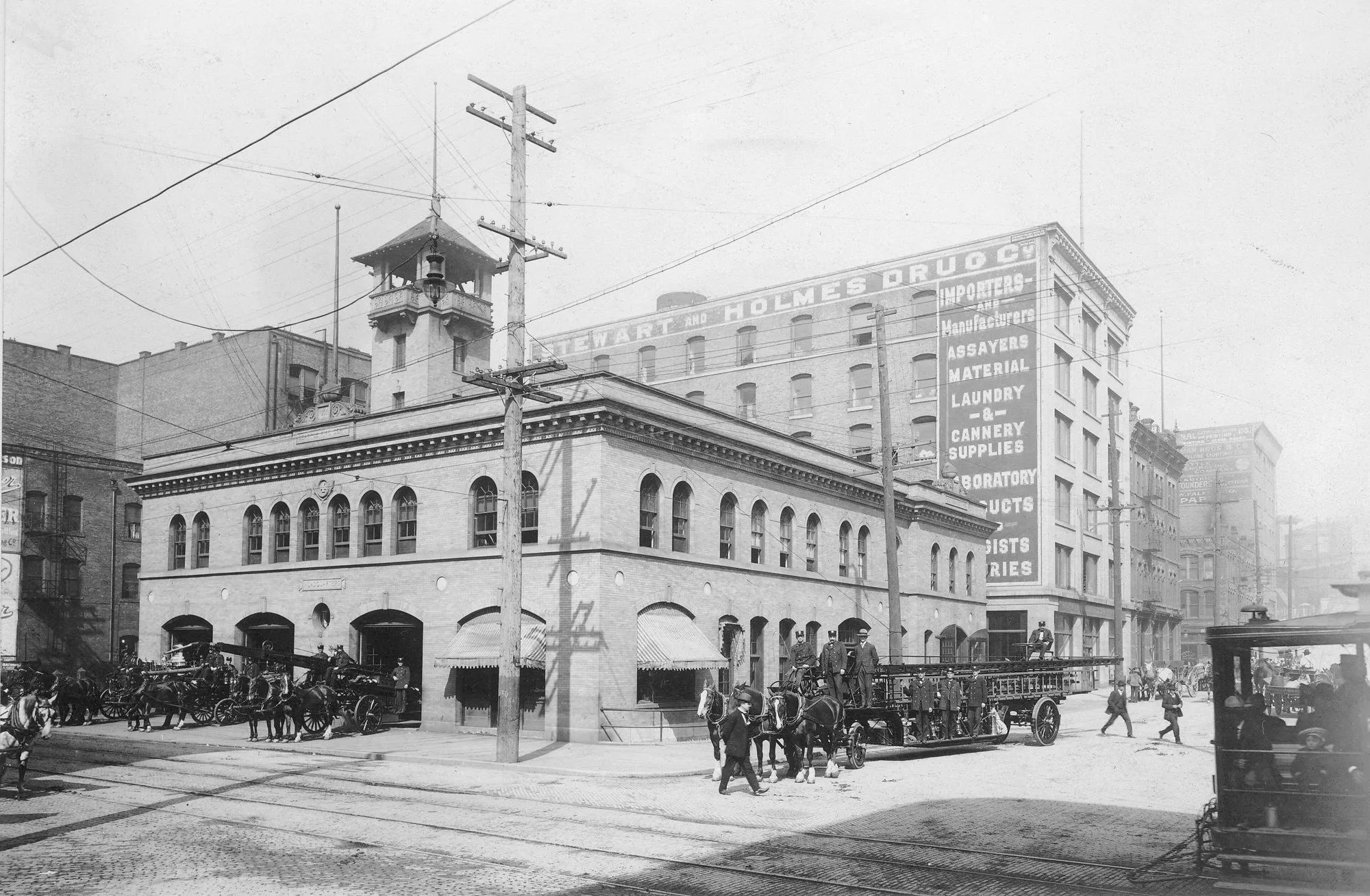
In business, the equivalent is work that rarely appears on a roadmap because it lacks an immediate business case: data infrastructure no one has requested yet, documentation that seems unnecessary until there is turnover, and monitoring that appears excessive until it catches a failure.
Organizations frequently underinvest in this category because the return is hard to measure until the moment it is needed.
The Preparedness Gap
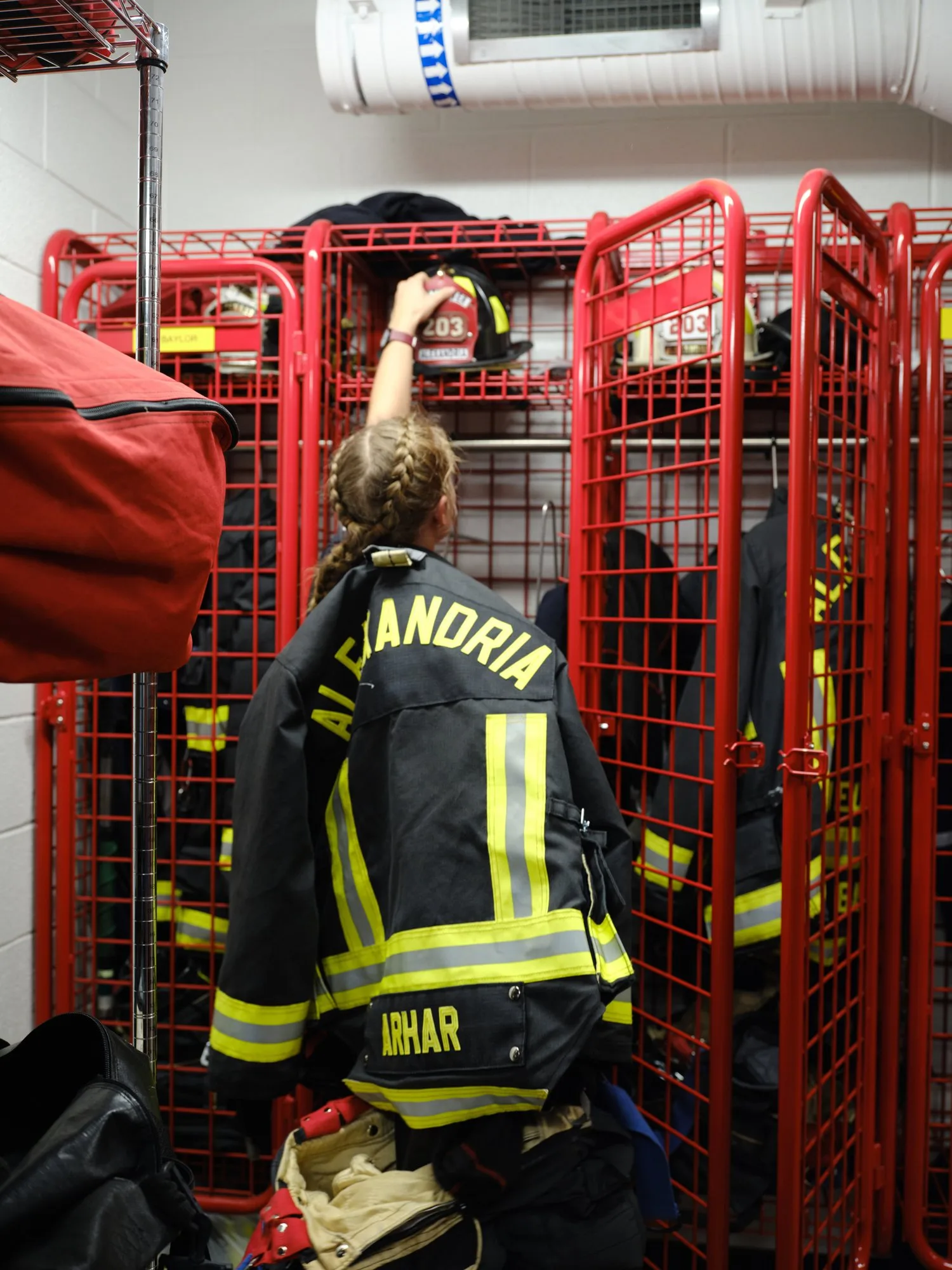
Fire departments, emergency medicine, and site reliability engineering all operate on the same principle:
Response capability is built before the event that requires it.
This creates what risk researchers call the preparedness paradox: when preparation works, the problem it prevented is invisible, which makes the preparation look unnecessary in hindsight. A monitoring system that stays quiet for six months can look like over-engineering until it catches an outage that would have been costly.
In the film, the team’s equipment looked eccentric to everyone around them. Its value only became visible once it was used.
What This Looks Like in Data Work
In analytics and data engineering, the same principle shows up in several established practices:
1. Build pipelines before the data is “ready”
Data is rarely fully clean. Teams that build pipelines against imperfect data, document edge cases, and design for upstream changes are typically able to answer questions faster when they are asked.
2. Monitor things that haven’t broken yet
Google’s Site Reliability Engineering guidance recommends monitoring key service signals proactively rather than adding instrumentation after incidents. The cost of monitoring something that never fails is usually small relative to the cost of missing a failure.
3. Document decisions, not just code
Architecture decision records (ADRs) capture the reasoning behind design choices, data quality issues that shaped schemas, and the business context behind metric definitions. This institutional memory helps prevent the same decisions from being revisited repeatedly.
4. Design for reuse once a pattern is likely
Building for a single case is often the right first step. When a second use case is likely, designing for reuse avoids rebuilding from scratch. The film’s proton packs were general-purpose tools rather than single-use devices.
The Team Dimension
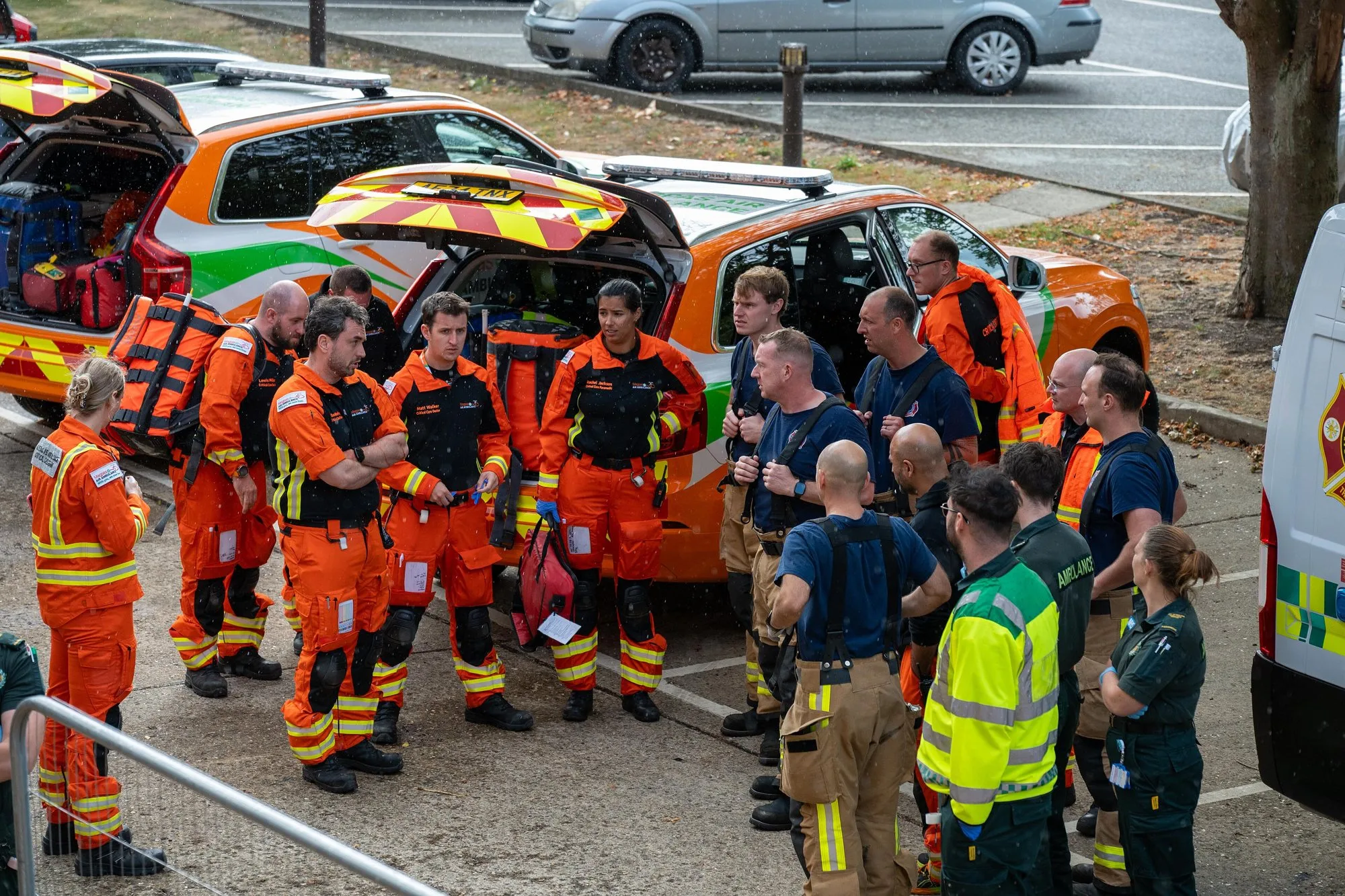
The film also illustrates a point about teams: preparedness depends on distributed capability.
Each of the four Ghostbusters had a different role, and the equipment worked because more than one person could operate it.
In organizations, single points of failure in knowledge carry similar risk to single points of failure in systems. Cross-training, documentation, and shared ownership of critical capabilities are the organizational equivalents of making sure every team member can operate the equipment.
The Startup Application
Startups face this tradeoff acutely. Early teams often build their tools at the same time they are trying to use them, which can slow execution when speed matters most.
Startup failure is driven by many factors. Post-mortem surveys, such as those compiled by CB Insights, most often cite running out of cash and lack of market need. Operational readiness is one contributing factor among several, alongside timing, funding conditions, and product-market fit.

The practical lesson is a matter of sequencing: infrastructure built during calmer periods tends to enable faster execution when pressure arrives.
The Practical Takeaway
The principle is not an argument for over-engineering or premature optimization. In the film, the team built for the scale of problem it could reasonably anticipate, not for every conceivable scenario.
A useful recurring question for any team: which plausible problem, if it happened tomorrow, would expose a lack of preparation?
Allocating a portion of current capacity to that problem before it arrives is the core of the approach. Like most preparedness work, it tends to look unnecessary beforehand and obvious afterward.
Comments?
React, share it, or leave a comment below.
Write your thoughts?
No comments yet. Start the conversation.
Existing comments couldn't be loaded right now. You can still post one.