Kroger's Data Strategy Decoded: A Deep Dive into Retail Analytics
How Kroger built its retail data operation, from the SSOT-MVOTs framework to 84.51°, Kroger Precision Marketing, and digital shelf technology, along with the questions those practices raise.

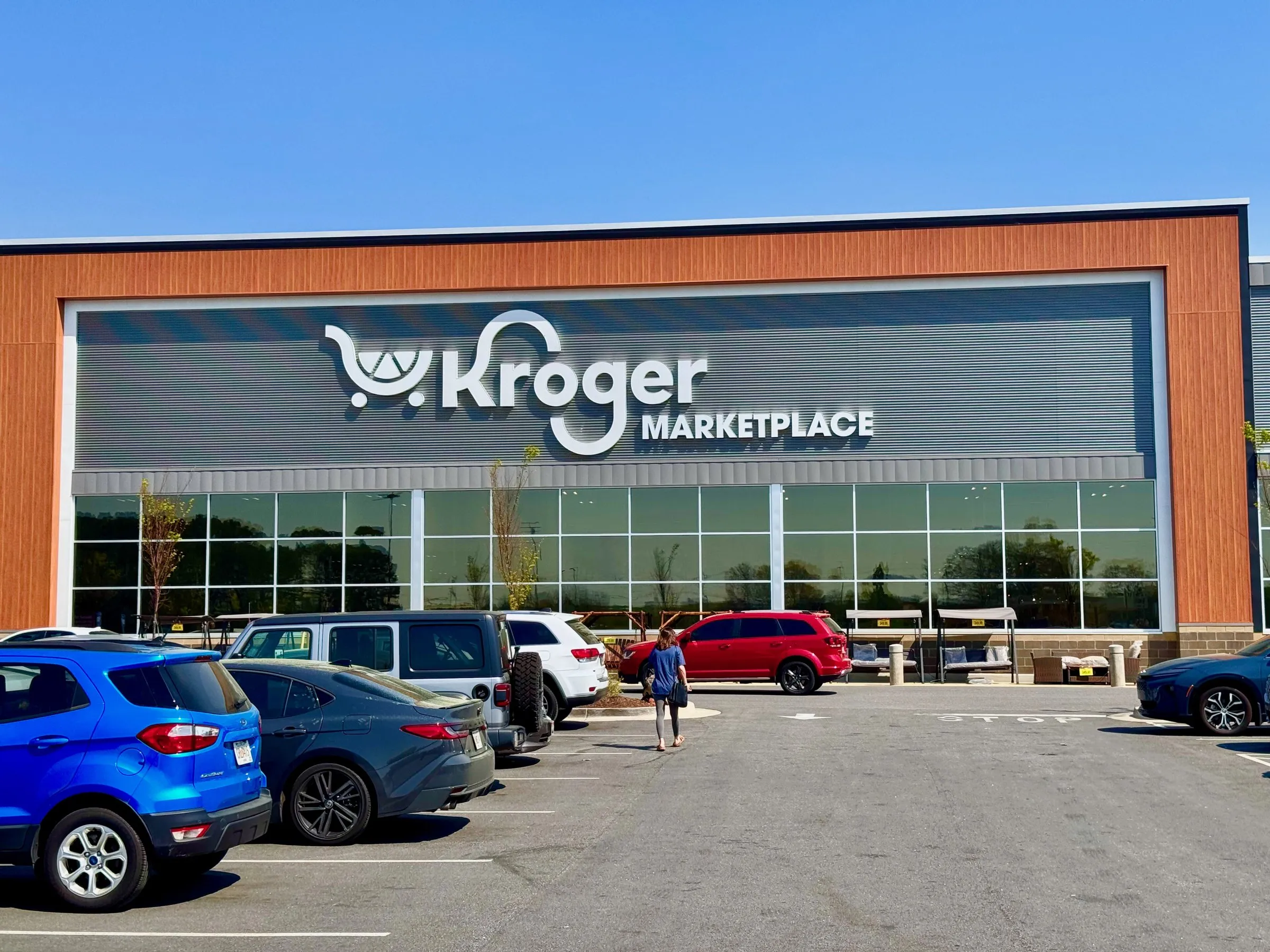
Photo: Harrison Keely / CC BY 4.0 / Wikimedia Commons
Kroger operates more than 2,700 stores and processes millions of transactions every day. For much of its history, that transaction data was used mainly for day-to-day operations rather than as a strategic asset.
Over the past two decades, Kroger has built one of the most extensive data operations in U.S. grocery retail. It now generates revenue from data products and plays a role in how the company competes with Amazon, Walmart, and discount grocers.
This article explains how that operation is structured, and the questions it raises.
The Foundation: One Source of Truth
A common first challenge for large retailers is data stored in silos. Store systems, loyalty programs, supply chain platforms, and e-commerce each tend to have separate databases that are difficult to reconcile.
Kroger’s answer was the Single Source of Truth (SSOT) model, paired with what the company calls Multiple Views of Truth (MVOTs).
The concept is straightforward but operationally difficult:
- SSOT: One canonical dataset that all teams agree on, serving as the authoritative record of what happened.
- MVOTs: Downstream views of that data, tailored to specific functions (supply chain needs different aggregations than marketing, which needs different aggregations than finance).
This architecture addresses a common and costly problem in large organizations: teams reporting different numbers for the same metric. An SSOT is designed to reduce those disputes, while MVOTs give each team data in the shape it needs.
84.51°: The Data Subsidiary You’ve Never Heard Of

In 2015, Kroger acquired a majority stake in 84.51°, a data science and analytics firm named after the longitude of Cincinnati, Kroger’s headquarters.
84.51° is Kroger’s analytics subsidiary. It employs data scientists, behavioral economists, and engineers who analyze Kroger’s customer data. Its core products include:
- Customer 360 profiles: Unified views of individual shopper behavior across in-store, digital, and loyalty interactions
- Predictive modeling: Churn prediction, basket expansion, promotion response modeling
- Supplier insights: Aggregated shopper insights sold to consumer packaged goods (CPG) brands as a research product, a business that industry reporting estimates generates substantial annual revenue
This model treats transaction data as a product rather than only an operational tool.
Kroger Precision Marketing: The Retail Media Angle
Retail media, in which brands pay to advertise within a retailer’s own channels, has grown quickly as third-party cookies have declined and Amazon demonstrated the model at scale.
Kroger’s version is Kroger Precision Marketing (KPM), built on 84.51°‘s customer data. Its value proposition to consumer brands, paraphrased, is that Kroger can identify which of its tens of millions of loyalty households buy a given product category, how often, and at what price points, target ads to them, and measure whether the ads were followed by purchases.
That closed-loop measurement is the main difference from much of traditional digital advertising, because ad exposure can be linked to actual in-store purchases. It has limits: it observes only purchases made with a loyalty account at Kroger banners, not purchases elsewhere.
Industry forecasts, such as eMarketer’s, project U.S. retail media ad spending to surpass $60 billion annually in the mid-2020s. Grocers with large loyalty programs are among the companies positioned to participate.
Smart Shelves and Edge Analytics
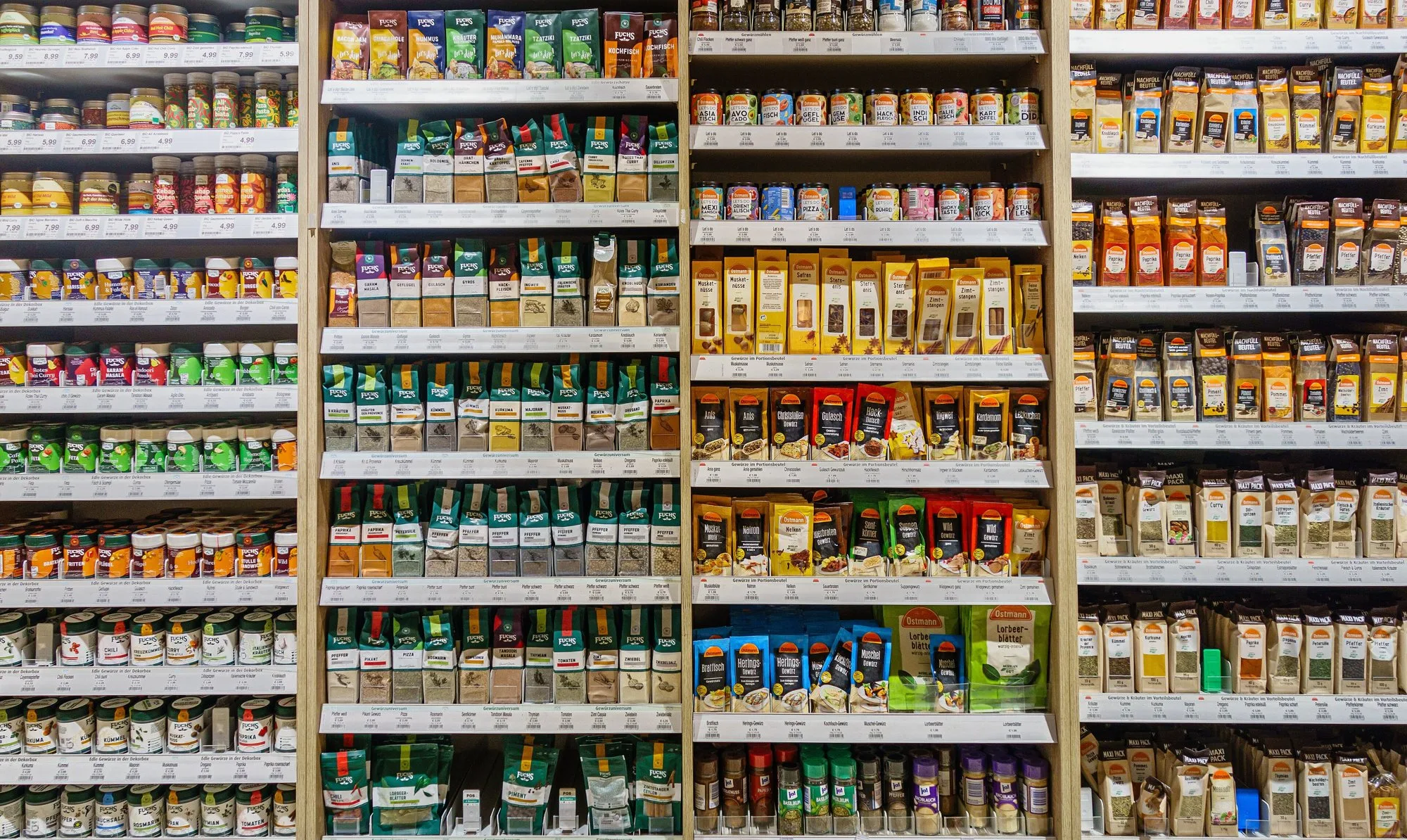
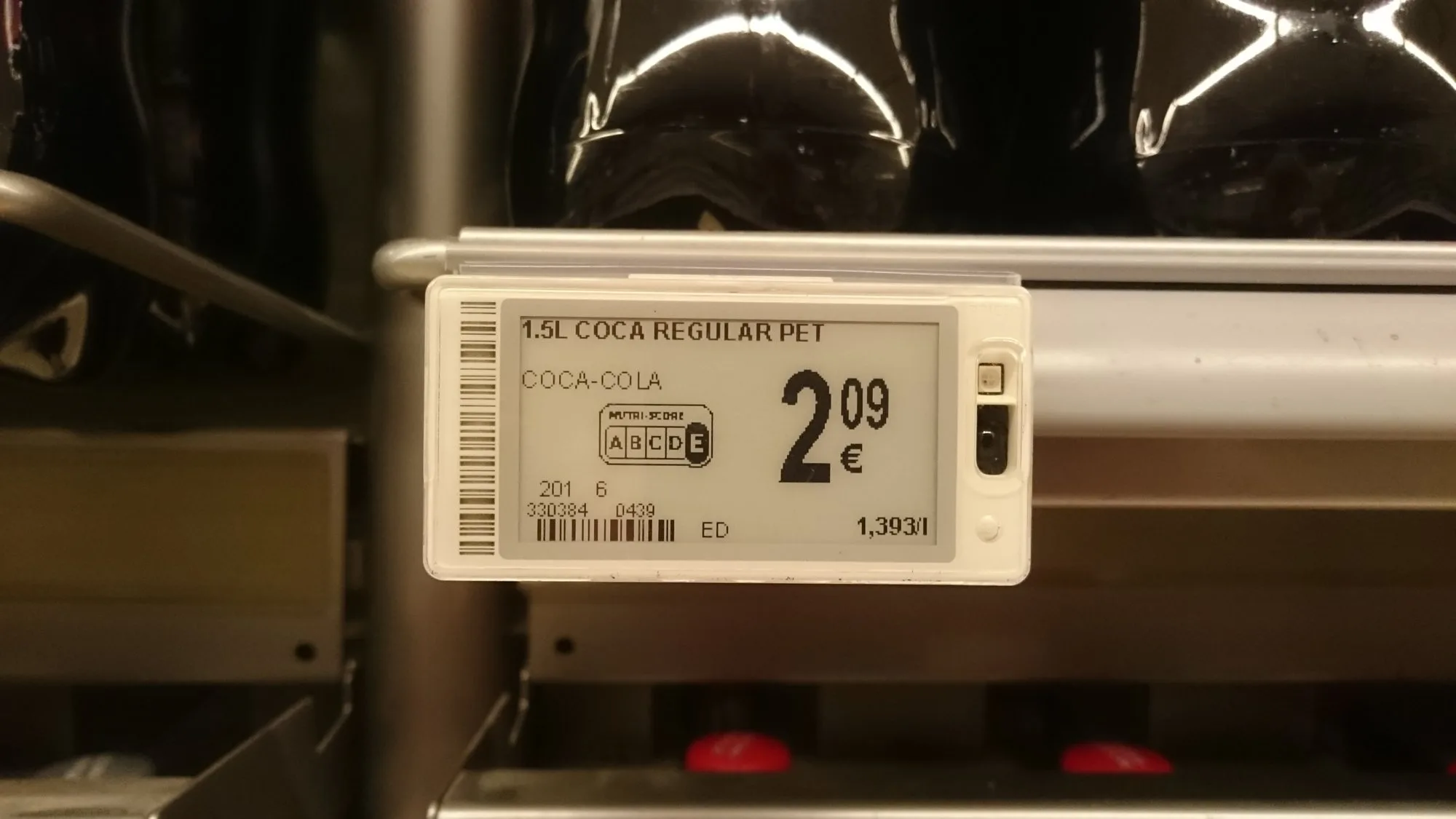
Beyond the customer data layer, Kroger has deployed EDGE (Enhanced Display for Grocery Environment) shelf technology: digital price displays installed in physical shelving.
The operational benefits include fewer manual price changes and fewer pricing errors. The data applications are less visible:
- Shelf sensors can detect stock levels and trigger replenishment automatically
- Digital displays can be updated centrally across all stores in real time
- Over time, these systems can create a feedback loop between in-store behavior and inventory decisions
Digital shelves have also drawn scrutiny. In 2024, U.S. senators asked Kroger whether the displays could enable surge pricing or personalized pricing; Kroger stated that it does not use them for that purpose.
Key Elements of the Strategy

Many retailers collect large amounts of data. Analysts who study Kroger’s approach typically point to four structural choices:
Centralizing the data layer first. The SSOT work was a prerequisite for 84.51° and KPM.
Monetizing data externally. Supplier insights and retail media create revenue that can offset the cost of the data investment.
Building a dedicated subsidiary. Operating 84.51° as a semi-independent entity helps Kroger recruit data science talent that might otherwise go to technology companies.
Closed-loop measurement. Linking ads to purchases is a key selling point for brands evaluating retail media.
Considerations and criticisms
The same practices raise questions that are part of the broader debate over retail data:
- Privacy. Loyalty programs collect detailed purchase histories. Kroger’s privacy policy describes how data is shared with partners in aggregated or de-identified form, and privacy advocates have questioned how well de-identification protects individuals.
- Regulation. Retail media and personalized pricing have attracted attention from lawmakers and the FTC, and future rules could change what is permitted.
- Competition. Data scale was part of the debate over Kroger’s proposed merger with Albertsons, which was blocked by federal and state courts in December 2024 and then abandoned.
The Bigger Pattern
Kroger’s strategy reflects a broader trend: companies that process customer transactions at scale are increasingly operating data businesses alongside their core products or services.
The pattern appears in financial services, healthcare, and telecommunications, wherever a company combines high transaction volume with detailed customer behavior data. Companies that invested in data infrastructure early have often been better positioned to adopt new uses for it later.
In 2015, the size of today’s retail media market was not yet clear. Kroger’s case illustrates a data strategy built on infrastructure investment ahead of specific use cases, with the benefits and the scrutiny that come with it.
This analysis draws on public reporting, Kroger investor materials, and 84.51° published case studies. Revenue figures are estimates based on industry reporting.
Comments?
React, share it, or leave a comment below.
Write your thoughts?
No comments yet. Start the conversation.
Existing comments couldn't be loaded right now. You can still post one.