How Revenue Flows Through the Music Industry
From the moment a listener streams a song to the moment a songwriter is paid, a map of how money moves through the music industry.
 Christopher A. Rotunno 4 min read

Photo: Celsoazevedo / CC0 / Wikimedia Commons
The music industry looks simple from the outside: music gets made, people listen, artists get paid. In practice, it is a network of licensing agreements, rights organizations, intermediaries, and royalty splits that developed over more than a century.
This article maps how the money moves.
The Two Copyrights
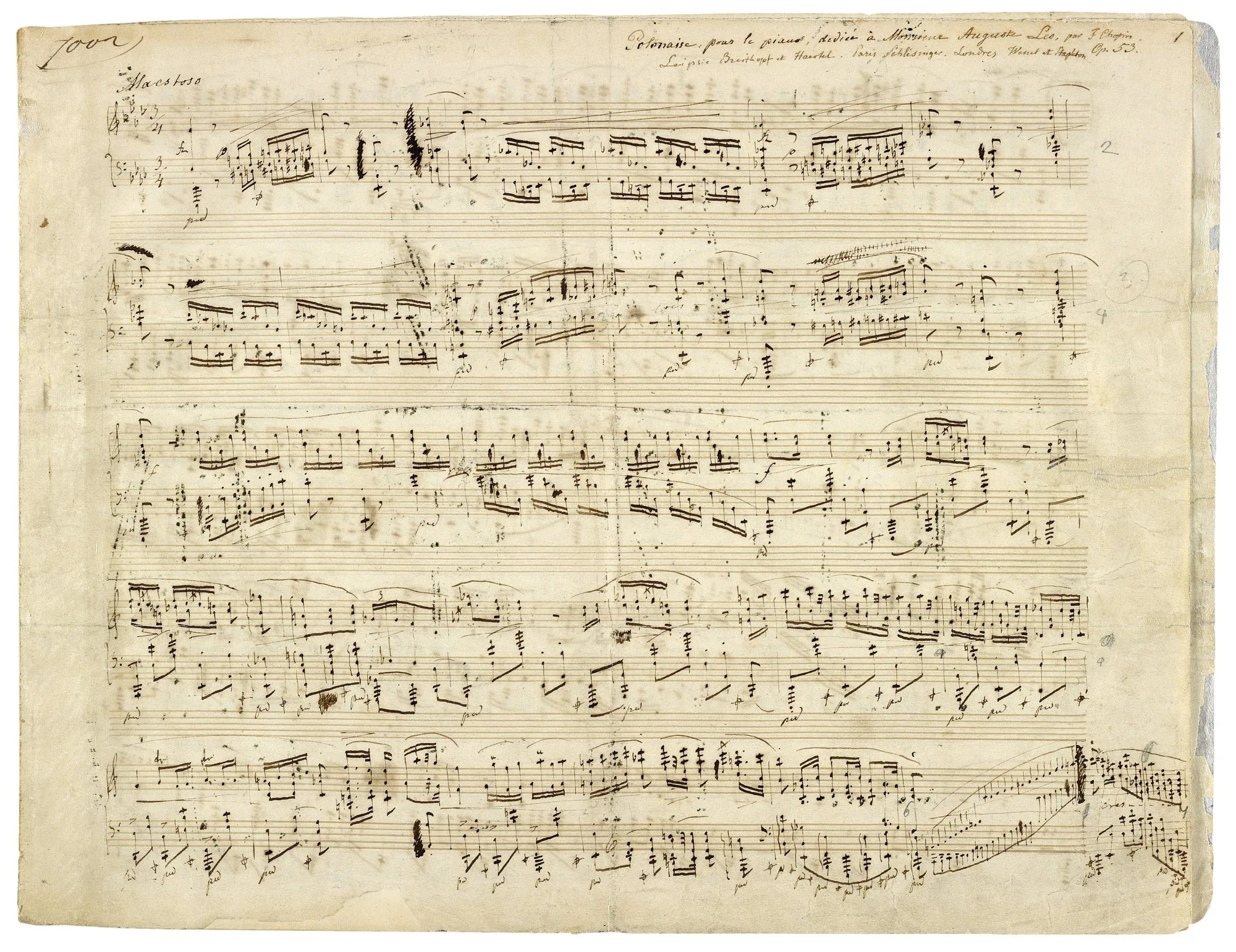
Everything in music monetization flows from a foundational legal structure: every song has two separate copyrights:
- The musical composition: the underlying melody and lyrics, owned by the songwriter(s) and their publishers.
- The sound recording: the specific recorded version of that composition, owned by the record label or a self-releasing artist.
These can be held by the same person (an independent artist who writes and records their own music), or by entirely different parties (a cover song recorded by an artist who has no rights to the original composition).
Every revenue stream in music involves one or both of these rights, and which right is involved determines who gets paid.
Revenue Stream 1: Streaming and Digital Licensing
When a listener streams a song on Spotify or Apple Music, two royalty pools are generated:
Master royalties (sound recording) → flow to the record label → distributed to artists based on their recording contract terms. For major label artists, this typically means 15–25% of net receipts. For artists on label services deals, it can be substantially higher.
Mechanical royalties (musical composition) → paid to music publishers → distributed to songwriters. In the U.S., streaming mechanical rates are set by the Copyright Royalty Board as a percentage of service revenue (rising from 15.1% in 2023 to 15.35% by 2027), and are collected and distributed by the Mechanical Licensing Collective (MLC).
Performance royalties (also musical composition) → collected by Performing Rights Organizations (PROs) like ASCAP, BMI, or SESAC → distributed to publishers and songwriters based on usage data.
The split between publisher and songwriter depends on their publishing agreement. A songwriter signed to a traditional publishing deal might receive 50% of publishing income. A songwriter who administers their own publishing keeps 100%.
Revenue Stream 2: Broadcast and Public Performance

When a song plays on terrestrial radio or television:
- Performance royalties are generated for the musical composition, collected by PROs from broadcasters who hold blanket licenses
- In the U.S., unlike most countries, AM/FM radio does not pay performance royalties for sound recordings, only for compositions. Proposals such as the American Music Fairness Act would change this; recording artists and labels have supported them, while broadcasters have opposed them
When a song plays in a restaurant, retail store, or public space:
- The venue holds a blanket license from PROs
- Performance royalties flow to songwriters/publishers through that license
Revenue Stream 3: Sync Licensing
This covers music in films, TV shows, commercials, and video games. Sync often pays the most per individual placement:
Sync fee → paid upfront by the content producer to use the music. This typically requires clearing both the master (record label) and the sync rights (publisher), each negotiated separately.
Backend performance royalties → when the film or show airs, performance royalties continue to accrue for the composition through PRO reporting.
A single high-profile placement, such as a song in a major film or national commercial, can generate more revenue than years of streaming for many artists.
Revenue Stream 4: Live Performance
For most working artists, live performance is the primary revenue driver:
Ticket sales → distributed among the artist, promoter, venue, booking agent, and management (typical agent commission: 10-15% of gross)
Merchandise → typically split between artist and venue (venues commonly take 20 to 30% of merchandise sales)

Performance rights → venues hold PRO licenses; performance royalties accrue to songwriters for live performances (though this pool is proportionally smaller than broadcast or streaming)
The economics of touring favor artists with lower production costs and high-demand markets. Arena-level tours with elaborate production can generate massive gross but comparatively modest net after expenses.
Revenue Stream 5: Physical and Digital Sales
While diminished from peak CD-era levels, sales still matter — particularly for certain genres (vinyl, K-pop physical releases):
Physical sales → label handles manufacturing and distribution, deducts costs, and pays artist royalties per contract (typically 10–20% of retail price, often applied against advances)
Digital downloads → similar structure, minus manufacturing overhead
Downloads have been declining for years as streaming consumption grows, but they remain relevant for artist-to-fan direct sales and fan community engagement around physical releases.

The Support Layer
Behind every artist are professionals who take a cut of various income streams:
| Role | Typical Compensation |
|---|---|
| Manager | 15–20% of gross income |
| Booking agent | 10–15% of touring income |
| Entertainment lawyer | Hourly or 5% of deals negotiated |
| Business manager | 5% of gross income |
| Record label | Master royalty share per contract |
| Publisher | Publishing income share per deal |
The more successful an artist becomes, the more of their infrastructure they can afford to vertically integrate — owning their masters, administering their own publishing, reducing the share flowing to intermediaries.

Why This Matters Beyond Music
The music industry’s revenue structure is a useful case study for anyone working with multi-sided markets, licensing-based businesses, or any domain where intellectual property rights create layered ownership:
- Streaming platforms are multi-sided markets connecting listeners, artists, labels, and publishers
- Rights management is largely a data problem, historically complicated by incomplete and inconsistent ownership metadata
- Disputes over master ownership resemble negotiations in other industries where the creator of an asset and its distributor have different incentives
Recorded-music revenue fell sharply in the 2000s as piracy and digital downloads displaced physical sales, then recovered through the 2010s as streaming grew. Data and analytics teams in music today work with infrastructure that is still adapting to those changes.
Comments?
React, share it, or leave a comment below.
Write your thoughts?
No comments yet. Start the conversation.
Existing comments couldn't be loaded right now. You can still post one.