Empowering Others
How I Empower Others to Do Their Best Work
The best measure of a leader is what the team ships without them in the room. Here is how I build that: ownership, cleared paths, a pace worth matching, and feedback fast enough to matter.

- People led across data, retail, and sales teams
- 25+
- People led across data, retail, and sales teams
- Career total
- Developers led from architecture to deployment
- 4
- Developers led from architecture to deployment
- Root Labs
- Technical meetups organized from scratch
- 10+
- Technical meetups organized from scratch
- Nashville, Root Labs
- Practitioners brought into the room
- 100+
- Practitioners brought into the room
- Meetup series attendance
People, not platforms
- Empowers the team to do their best work
- Sets the pace on performance
- Builds, innovates, iterates relentlessly
An eight-oar boat only moves fast when every seat pulls in rhythm. No single rower can carry it, and the person setting the pace doesn’t hold an oar at all.
That is how I think about leading people. My job is not to be the strongest rower. It is to make sure every seat knows its job, trusts the boat, and wants to pull harder than it did yesterday.
Ownership Over Permission
The fastest way to grow someone is to hand them a real piece of the work and let it be theirs. Not a task list. An outcome.
When I led four developers through a Python and SQL data pipeline at Root Labs, each person owned a layer end to end: ingestion, schema, validation, deployment. They made the calls inside their layer, defended them in review, and lived with the results. People who own outcomes stop waiting for permission and start bringing solutions.

Clear the Path, Don’t Script It
Most capable people don’t need instructions. They need obstacles removed: a blocked access request, a vendor who won’t call back, a decision stuck two levels up.
I spend my leadership time there. I would rather clear three obstacles than dictate thirty steps, because the person closest to the problem usually knows the best way to solve it, and they learn far more doing it their way than following mine.
Set the Pace by Example
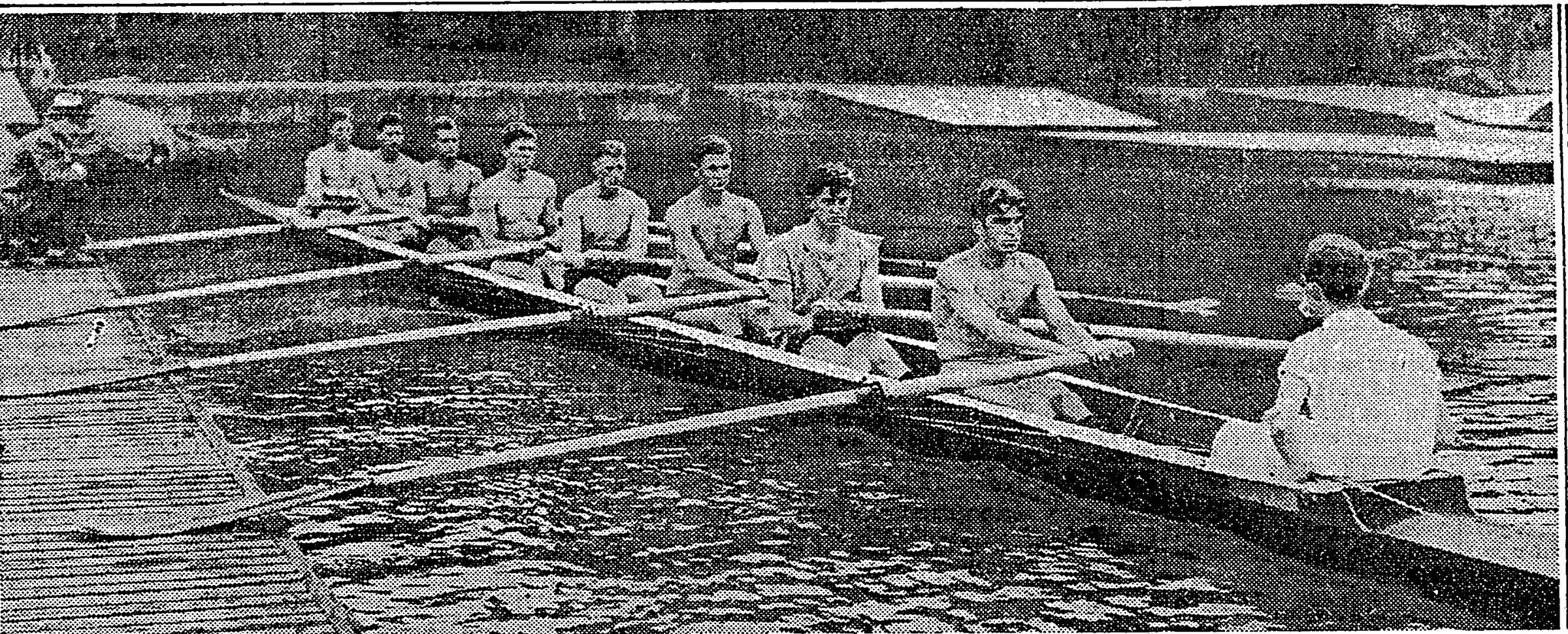
A standard people want to rise to beats one they’re told to meet. So I set the pace myself, in the work, where everyone can see it.
In home improvement sales at Renuity Home, that meant earning S-Tier, the company’s highest internal performance designation, while working the same retail floors and events as everyone else. Nobody needs a speech about effort when the effort is visible and the results are on the board.
The same goes for technical teams. If I ask for documented code, mine is documented. If I ask for clean handoffs, I hand off clean. Pace is set by what the leader does at 4:45 on a Friday, not by what the leader says on Monday.
Safety Is the Foundation
None of this works if people are afraid to be wrong in front of each other.
When Google studied 180 of its own teams in Project Aristotle, the strongest predictor of team effectiveness was not talent or seniority. It was psychological safety: whether people felt they could take a risk, ask a question, or admit a mistake without being punished for it.1 Gallup’s research points the same direction from another angle: managers account for at least 70% of the variance in employee engagement across business units.2
In other words, the manager is the environment. I take that seriously.
Short Feedback Loops
Annual reviews are autopsies. By the time feedback arrives, the moment it could have helped is long gone.
I build loops measured in days, not quarters: quick reviews after each delivery, a short “what would you change” after every customer conversation, and plain talk when something isn’t working. People learn fast when the distance between action and feedback is short, and they stop repeating the same mistake because they never get the chance to practice it.
Growing the Bench Beyond One Team
While building Root Labs in Nashville, I wanted a room where people could learn from each other, so I started one.
Over two years I organized 10+ technical meetups with 100+ attendees: analysts, engineers, founders, and business people in the same room, learning SQL tricks from each other and arguing about why the numbers never match. It became a talent pipeline, a referral network, and proof that empowering people doesn’t stop at the edge of an org chart.
Since moving to St. Augustine, the room has changed but the instinct hasn’t. My work here is face to face: meeting homeowners in stores and at events, learning what they actually need, and turning a conversation into trust. It is the same job as a good meetup, just one person at a time.
What You Get on Day One
- A team that owns outcomes, not tickets, and grows into the next level of responsibility without waiting to be asked.
- A leader who clears obstacles instead of dictating steps, so your strongest people stay engaged and your newest people ramp faster.
- A visible standard, set by example, that people choose to match.
- Feedback that arrives while it can still help, so the same mistake doesn’t happen twice.
Sources
- Google re:Work, “Guide: Understand team effectiveness” (Project Aristotle; 180 teams studied).
- Randall Beck and Jim Harter, “Managers Account for 70% of Variance in Employee Engagement”, Gallup Business Journal, April 21, 2015.
- “Rowing at the 1928 Summer Olympics: Men’s eight”, Wikipedia.
In practice
Projects where this shows up

Analytics Community Program
Built a regional data and analytics community from scratch — 10+ events, 100+ attendees, and a network that became a talent pipeline and professional amplifier.
Python SQL ORM Data Pipeline
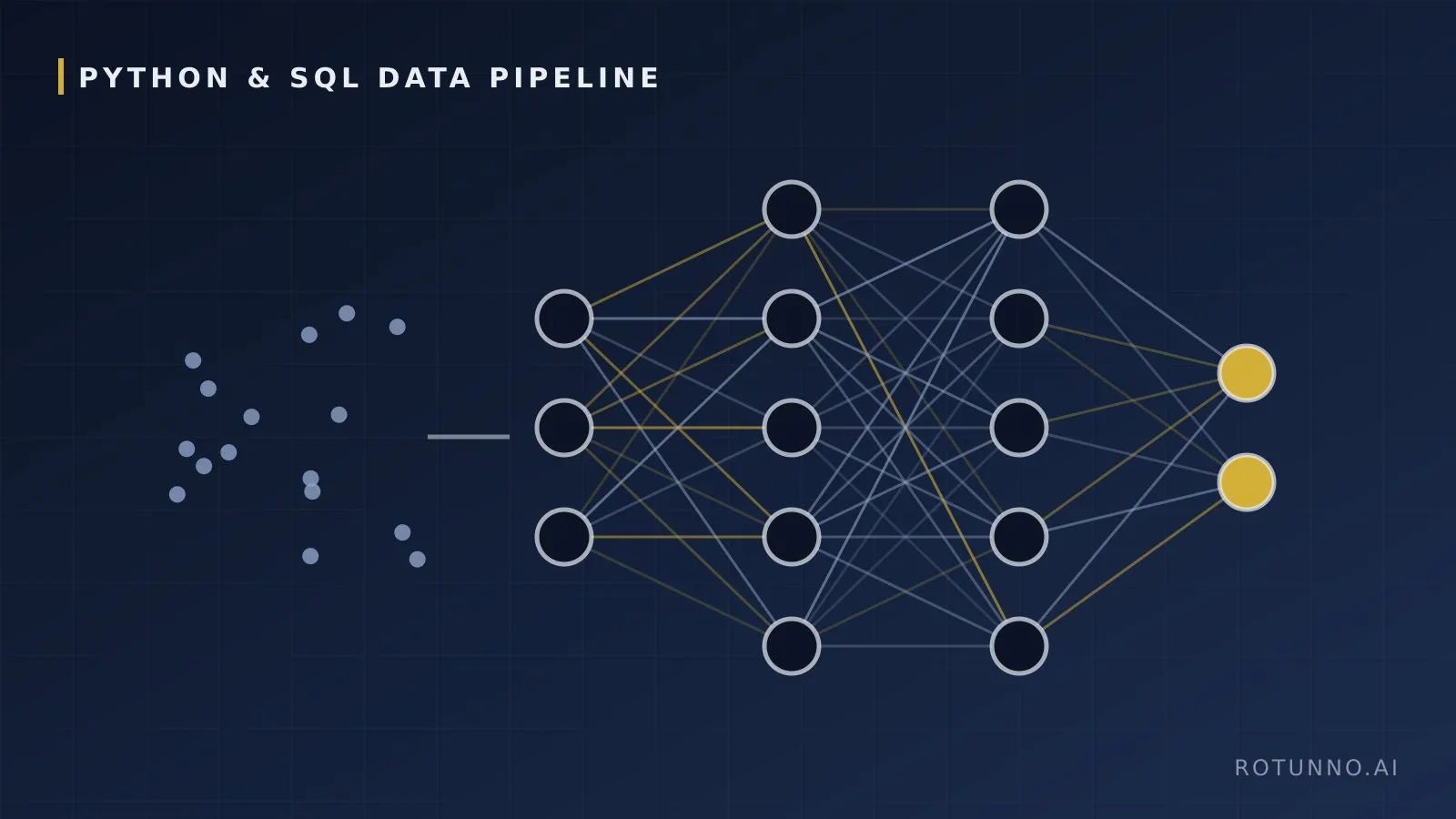
Led a 4-person engineering team building a Python SQLAlchemy pipeline that automated financial data ingestion, validation, and storage — delivering clean, queryable data at scale.
Custom API Ingestion Pipeline
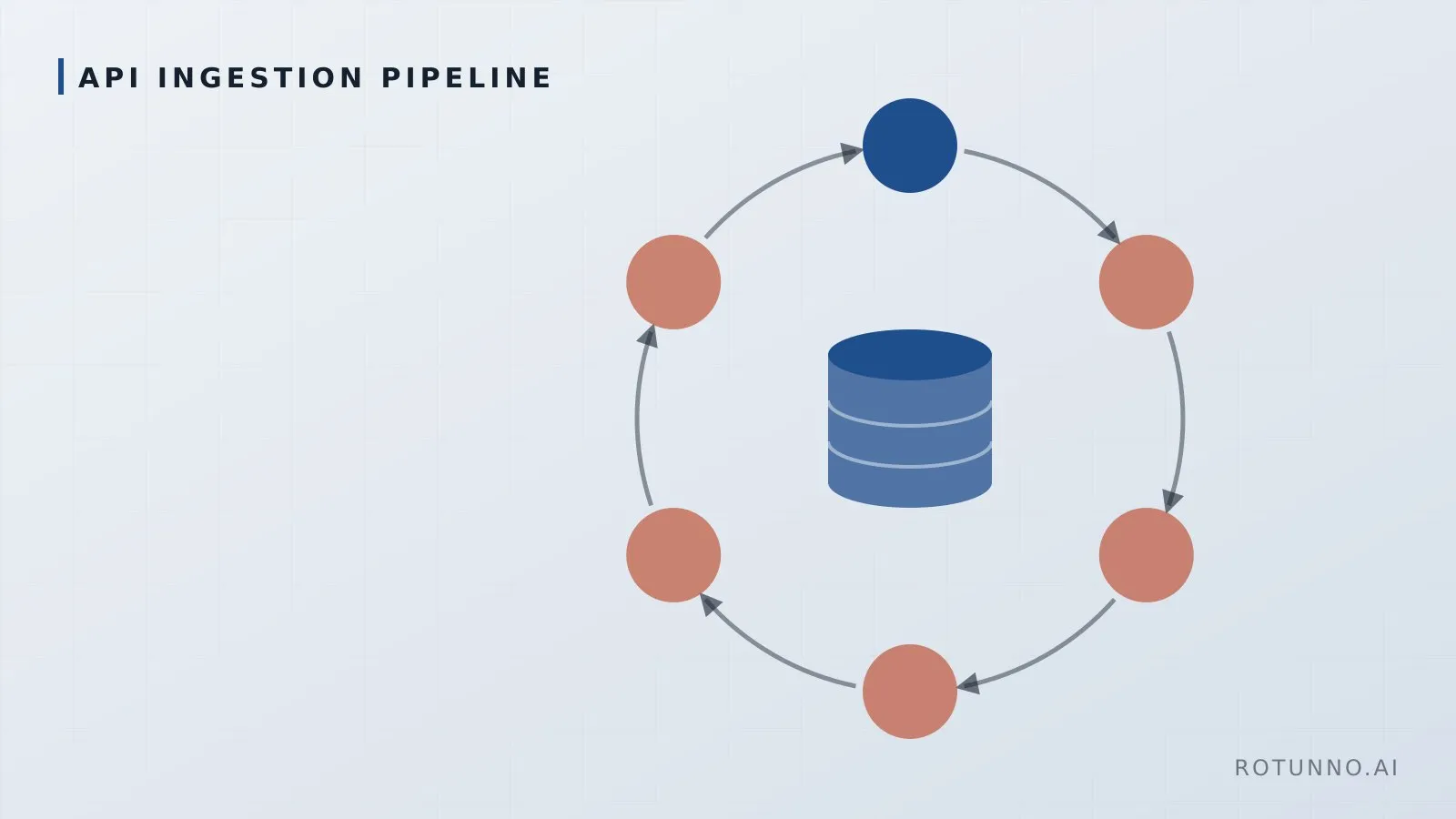
Cut third-party financial data costs by 80% by replacing a vendor dependency with a purpose-built Python ingestion layer — designed, built, and shipped with a team of four.
Core Capabilities
The other pillars
Want this on your team?
Thirty minutes is enough to see whether what I bring fits what you need.